
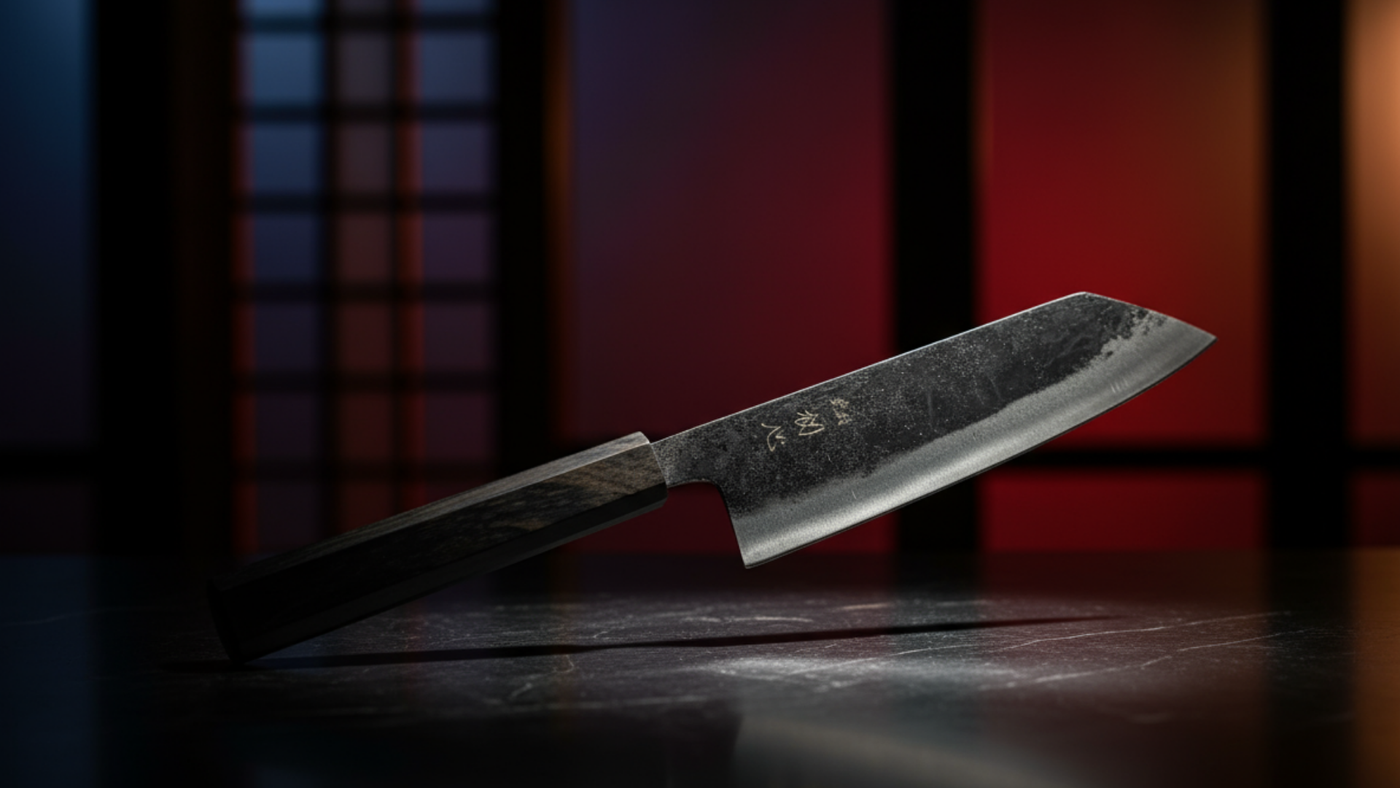
At the heart of culinary arts and professional cooking lies having the right tools. The most important of these tools is undoubtedly the knife. Carbon knives , a favorite of chefs and serious culinary enthusiasts worldwide, are known for their unparalleled sharpness, superior ease of sharpening, and unique character. However, high performance comes at a price: these knives require more care and attention than their stainless steel counterparts.
At İyi Bıçak, we not only offer you superior quality cutting tools, but also comprehensive maintenance information to extend the life of these delicate tools and keep their performance at its peak. This detailed guide will help you with carbon blades. You will learn storage, maintenance, and usage tips that every professional and enthusiast who owns a carbon blade should know. Remember, the better a carbon blade is cared for, the longer it will cut and the better it will perform.
Carbon Blades
Carbon knives are made from steel alloys with a high carbon content. This type of steel is characterized by having a much higher carbon ratio than stainless steel, which directly affects the hardness and sharpness of the blade. These knives are also known in the culinary world as "high-carbon steel knives" and are generally the type of steel traditionally preferred in Japanese knife making (e.g., Aogami or Shirogami steels).
The high density of carbon allows the blade to maintain a microscopically finer edge (blade). This is the key to that legendary sharpness that allows the knife to glide through vegetables, meat, or fish with minimal friction. With proper sharpening, a carbon blade can become incredibly sharp and retain its sharpness for longer than stainless steel blades.
Advantages of Carbon Steel
The high carbon content allows the blade to be very hard (high Rockwell hardness), ensuring the cutting edge lasts a long time without deformation. Additionally, carbon steel offers less resistance during sharpening, allowing professionals to quickly and easily achieve a razor-sharp edge. These blades also develop a unique patina (oxidation layer) over time, adding character and providing natural protection.
Disadvantages and Maintenance Requirements of Carbon Steel
The biggest drawback of carbon steel is its susceptibility to corrosion (rusting) . High carbon content also means that the steel reacts easily with oxygen and moisture. The blade tends to rust quickly, especially when in contact with acidic foods (lemon, tomato, onion) or when left damp. Therefore, a carbon knife should be washed and thoroughly dried immediately after use. This necessity is the fundamental and most important rule of carbon knife maintenance.

How should carbon knives be stored?
The longevity of carbon blades largely depends on proper storage methods. Improper storage can not only damage the cutting edge but also lead to rusting or exposure to impacts.
1. Provide a dry and sheltered environment.
The biggest enemy of carbon steel is moisture. Therefore, the environment where the knife is stored must be absolutely dry and cool. Carbon knives should never be stored in a wet or damp drawer with other washed kitchen utensils. Before storing, make sure that every corner of the knife (especially where the handle joins the steel) is completely dry. Many professionals even prefer to place a small silica gel pack in the knife drawer or block to absorb moisture.
Knives should be stored in a way that prevents their cutting edges from being damaged by bumping into each other or coming into contact with other hard objects. When knife blades bump together, microscopic notches are formed, which reduces sharpness and makes sharpening more difficult.
There are three main recommended storage methods for carbon knives ; each is designed to protect the blade's edge.
-
Wooden Knife Blocks or Drawer Organizers
Wood naturally absorbs moisture, providing a relatively smooth surface for knives. Knife blocks or drawer holders without magnets allow for safe storage of knives, preventing their edges from touching. When placing a knife in the block, care should be taken to ensure the cutting edge does not rub against the wood. -
Magnetic Holders (Wall Mounting)
Magnetic strips allow knives to breathe, preventing moisture buildup and offering an aesthetically pleasing look. However, care should be taken to avoid forcefully striking the cutting edge of the knife when placing it on or removing it from the magnetic strip. The safest method is to first bring the knife close to the strip from the spine (the dull part), then rotate it to attach it to the magnet. -
Knife Sheaths (Sayas) or Wrapping Bags
For professional chefs, individual wooden sheaths (saya) or fabric/leather wrapping bags are ideal for carrying or storing knives. These sheaths provide excellent protection against impacts and insulate the blade from moisture. Placing a carbon knife, oiled with knife oil (mineral oil), inside the sheath before long-term storage provides extra protection.
Carbon steel knives must be oiled if they will not be used for a long time or will be stored in a humid environment. For knives that will come into contact with food, food-grade, tasteless and odorless oils such as mineral oil (paraffin oil) or Tsubaki (camellia) oil should be preferred. Vegetable oils (olive oil, sunflower oil) should absolutely not be used as they will oxidize and become rancid over time.
A few drops of oil are placed on a clean, completely dry knife and spread over the entire surface of the blade with a clean cloth or paper towel, especially the edge and the back where patina formation has not yet begun. This thin layer of oil forms a protective barrier that prevents the steel from coming into contact with moisture.
Tips for Extending the Life of Carbon Blades
Caring for a carbon blade is more than just simple cleaning; it's a way of life to preserve the blade's character and maintain its performance.
-
Always Use Wood (or Soft Plastic): The biggest enemy of carbon blades is hard surfaces. Glass, marble, metal, or ceramic cutting boards instantly dull the blade's ability to reduce fine lines and wrinkles , and even create microscopic nicks. Always use soft wood (maple, bamboo) or high-density plastic cutting boards.
-
Avoid Sideways Movements: Do not use the edge of the blade to scrape food, open cans, or crack bones. Such sideways movements can cause fractures or serious edge damage in the hard carbon steel. Carbon blade | The Good Knife is designed for cutting and slicing only.
-
Wash and Dry Immediately After Use: This is the most sacred rule of carbon blade care. The blade should not be left for more than a second after contact with acidic foods (especially lemon, tomato, mustard). It should be hand-washed using lukewarm water and a mild detergent, and then immediately dried thoroughly with a dry, soft cloth.
-
Avoid the dishwasher: The harsh detergents, high temperatures, and prolonged wet environment in dishwashers will cause the carbon blade to rust instantly and severely damage its edge. The dishwasher is a death sentence for a carbon blade .
-
Regular Sharpening and Honing: A sharp blade is safer and requires less effort than a dull one. Fine-grained sharpening stones should be used to maintain the sharpness of a carbon blade . Carbon steel responds to sharpening faster than stainless steel. Ceramic sharpening rods (honing steel) should be used to smooth out microscopic bends in the edge after cutting.
-
Patina Management: The dark blue-grey patina that forms on carbon blades is actually an oxidation layer that protects the blade from deeper rusting. Allowing this patina to form is one of the most important tips for extending the life of carbon blades . Do not attempt to wipe or polish the patina; this weakens the natural protective layer.
-
Periodic Lubrication: Lightly oiling the blade with food-grade mineral oil once a week or before prolonged storage creates an extra protective barrier and prevents moisture from reaching the steel. This preserves the carbon blade's shine and corrosion resistance.
How can I remove rust or stains from my carbon blade?
Newly formed rust spots on the surface can usually be carefully rubbed off with a mildly abrasive paste (such as a mixture of baking soda and water) or a mildly acidic substance (such as lemon juice or vinegar – but rinse immediately) dripped onto a cork stopper. After removing the rust, wash and dry the knife immediately and lightly oil it. For very deep rust, you may need to have it professionally sharpened.

Are the dark spots (patina) that have formed on my carbon knife normal?
Yes, these discolorations are completely normal and desirable. Patina is a natural protective layer that protects the blade from deeper and more harmful rust as the steel oxidizes in a controlled manner (oxidation before it turns into rust). This patina, reflecting the character of the carbon blade , is the history of your knife and provides the most natural protection among the tips for extending the life of carbon knives .
Is using a carbon blade more difficult than using a stainless steel blade?
It's not difficult, but it requires more attention and discipline. You can leave a stainless steel blade wet in the sink for a while; however, for a carbon blade , this means rusting. Once you get into the habit of cleaning and drying it immediately after use, using a carbon blade will become much more enjoyable thanks to the superior sharpness it offers.
Do I need a special tool to sharpen my carbon blade?
No, you don't need a special tool, but whetstones are preferable. Carbon steel gets a much faster and sharper edge on ceramic or synthetic whetstones. Instead of traditional whetstones, it is recommended to use ceramic or sapphire honing rods to correct microscopic edge bends.
Are there any foods that I could never cut with my carbon knife?
Keep carbon blades away from very hard materials such as bones, frozen foods, and hard-shelled foods (like coconut shells). This hardness can cause microscopic fractures at the edge of the blade. Also, it is critical to clean and dry the blade immediately after cutting highly acidic foods like tomatoes, lemons, and vinegar.
How long can a carbon blade be used?
With proper care and regular sharpening, a carbon blade can last for generations. These knives are built to last a lifetime when properly maintained. The key is to keep the blade dry, sharp, and only use it for its intended purpose. Maintaining the patina and following these tips to extend the life of carbon blades guarantees your knife's longevity.
Does my knife handle require any special care?
Wooden handles, common in traditional Japanese knives, are sensitive to moisture. Avoid excessive wetting of the handles and prevent cracking and drying by regularly (once a month) lightly oiling the handle with mineral oil.