Filetolama
Bıçağı kemik boyunca yatırarak ince, kontrollü hareketlerle eti kemikten ayırın. Balık ve kümes hayvanı için temel teknik.


This knife, reflecting Japanese sashimi tradition, is designed for professional use; its long, straight takohiki form, characteristic of the Kanto style, combined with a katana-like sakimaru tip, offers both aesthetics and superior control. The high-purity Shirogami #3 carbon steel provides an exceptionally fine and smooth sharpness while offering easy sharpening; the migaki (polished) surface gives it a simple and elegant look. Its single-bevel geometry allows for clean slices in a single stroke without damaging raw fish fibers, and its 300mm length is ideal for masters who seek maximum fluidity and precision, especially in sashimi and sushi preparation.
Stoğa girdiğinde size öncelikli haber verelim. E-postanızı bırakın, yeniden temin ettiğimizde ilk siz öğrenin.
Ürünlerimizin çoğu Japonya’daki küçük atölyelerde, sınırlı sayıda ve tamamen el emeğiyle üretilir. Bu nedenle her model her zaman stokta bulunmayabilir.
Tükenen bir ürünün yeniden tedarik süresi —ve yeniden üretilip üretilmeyeceği— ustaya ve atölyenin programına göre değişir; kesin bir tarih veremiyoruz. Bazı modeller dönemsel üretilirken, bazıları ustanın emekli olmasıyla kalıcı olarak sona erebilir.
Orders placed by 2:00 PM are shipped the same day. Free shipping on orders over 2,500 TL.
30-day unconditional return guarantee. The product must be unused and in its original packaging. In case of a manufacturing defect, exchange is available without time limit.
Wash with warm water and a soft sponge after each use. Do not put in the dishwasher. Dry and store in a knife block or drawer.


62 HRC
Beyaz Kağıt serisinin en düşük karbonlu ve en uysal üyesi. Shirogami #3, karbon çelik dünyasına giriş yapmak isteyenler için ideal bir başlangıç noktasıdır: bilemesi son derece kolay, ağız dayanıklılığı günlük kullanım için yeterli ve diğer karbon çeliklere kıyasla daha affedicidir. HRC 61 sertliğiyle bıçak bakımını öğrenirken hayal kırıklığı yaşamadan gerçek bir karbon çelik deneyimi sunar.
Tüm Shirogami #3 BıçaklarThe blade is manufactured using the traditional Ni-mai (two-layer) construction technique. In this construction, high-purity Shirogami #3 (White Paper Steel No. 3) core steel is forged and welded to softer outer layers with a lower carbon content and high impact resistance. This feature gives the blade an extremely sharp edge, superior edge retention, and precise sharpening capabilities. The more ductile steel used in the outer layer supports the core, reducing brittleness and providing structural stability against impact and torsional loads.
Tüm Ni-Mai BıçaklarThis knife features a single-bevel geometry; the cutting edge is on the right side, while the back surface is flat/recessed, providing maximum control and clean, precise cutting performance when used with the right hand.
Tüm Single Bevel BıçaklarThe traditional Japanese wa handle is crafted from olive wood. Its lightweight construction and balanced form ensure a comfortable grip even during prolonged cutting. The "machi" space between the handle and the blade is a nod to Japanese sword tradition and is a deliberate design element, not an assembly error.
Tüm Japanese Type (Wa) - Octagon BıçaklarThe knife features a simple and classic migaki (glossy polish) finish. This surface allows for easy cleaning while highlighting the elegant and minimalist aesthetic of the Takohiki form.
🇯🇵 Tosa, Kochi
Itsuo Doi, Japonya'nın Kochi prefektörlüğündeki Tosa bölgesinde çalışan deneyimli bir bıçak ustasıdır. Tosa, yüzyıllardır süregelen bıçak yapım geleneğiyle tanınır ve Doi bu mirası karbon çeliklerdeki ustalığıyla sürdürmektedir. Özellikle Shirogami #3 ve Aogami #2 çeliklerinde ürettiği funayuki, yanagiba ve takohiki bıçakları, geleneksel Japon bıçak yapımının özünü yansıtır. Her bıçak elle dövülür ve Tosa'nın karakteristik kurouchi veya tsuchime yüzey işlemleriyle tamamlanır.
Tüm Itsuo Doi Bıçaklar12 similar knives










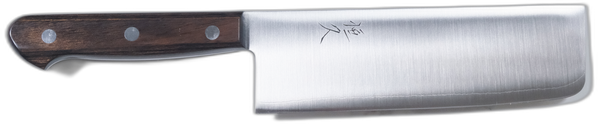

Takohiki, Japonca'da "ahtapot çekici" anlamına gelir ve Tokyo (Kanto) bölgesinin geleneksel sashimi bıçağıdır. Osaka'nın sivri uçlu Yanagiba'sına karşılık Tokyo'nun cevabı olan Takohiki, dikdörtgen (kare) uç tasarımıyla kendine özgü bir sashimi deneyimi sunar.
Yanagiba ile aynı tek ağızlı yapıya, benzer uzunluğa (240-300mm) ve aynı tek çekiş tekniğine sahip olan Takohiki, uç tasarımıyla önemli bir fark yaratır: kare ucu, hassas balıkları yanlışlıkla delme riskini ortadan kaldırır. Bu özellik özellikle yumuşak dokulu balıklarda ve ahtapot dilimlerinde büyük avantaj sağlar.
Bugün Yanagiba'nın gölgesinde kalmış olsa da Takohiki, Tokyo sushi geleneğinin yaşayan bir mirası olarak değerini korumaktadır. Kanto bölgesi tarzı sushi ile ilgilenen şefler ve bıçak koleksiyoncuları için özel bir yere sahiptir.
Dikdörtgen ucu hassas balıkları yanlışlıkla delme riskini ortadan kaldırır, yumuşak dokulu malzemelerde güvenli çalışma sağlar.
Yanagiba gibi tek ağızlı yapısı inanılmaz keskin bir kenar ve ayna gibi parlak kesim yüzeyleri sağlar.
Tokyo başta olmak üzere doğu Japonya'nın sashimi geleneğinin merkez bıçağıdır.
Her ikisi de tek ağızlı sashimi bıçağıdır. Yanagiba sivri uçlu ve Kansai (Osaka) geleneğinde, Takohiki kare uçlu ve Kanto (Tokyo) geleneğindedir. Yanagiba daha çok yönlü, Takohiki hassas balıklarda delme riskini azaltır.
Sujihiki çift ağızlı ve daha erişilebilir bir dilimleme bıçağıdır. Takohiki tek ağızlı ve sashimiye özeldir. Sujihiki pişmiş et de kesebilirken, Takohiki tamamen çiğ balık için tasarlanmıştır.
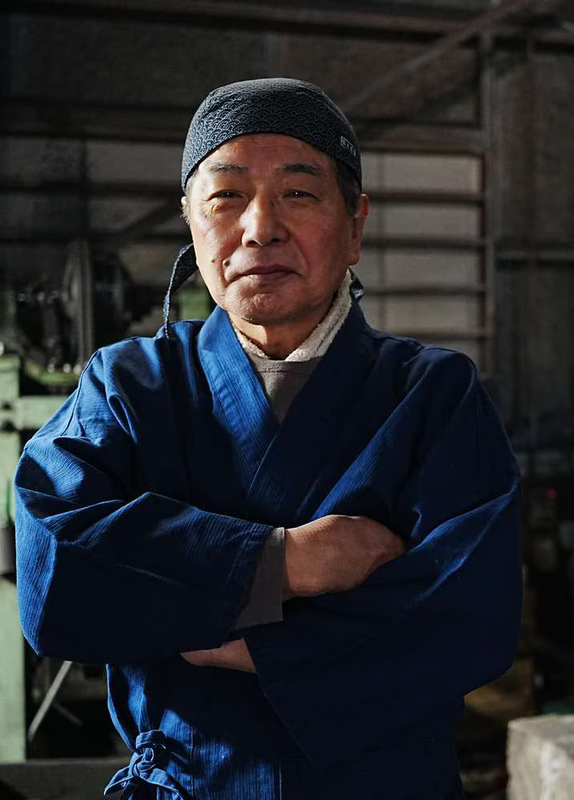
Itsuo Doi, Japonya'nın Kochi prefektörlüğündeki Tosa bölgesinde çalışan deneyimli bir bıçak ustasıdır. Tosa, yüzyıllardır süregelen bıçak yapım geleneğiyle tanınır ve Doi bu mirası karbon çeliklerdeki ustalığıyla sürdürmektedir. Özellikle Shirogami #3 ve Aogami #2 çeliklerinde ürettiği funayuki, yanagiba ve takohiki bıçakları, geleneksel Japon bıçak yapımının özünü yansıtır. Her bıçak elle dövülür ve Tosa'nın karakteristik kurouchi veya tsuchime yüzey işlemleriyle tamamlanır.
Itsuo Doi KoleksiyonuKanto bölgesi sushi geleneğini sürdüren şefler için Takohiki geleneksel ve otantik bir seçimdir.
Japon bıçak kültürünün bölgesel çeşitliliğini koleksiyonuna yansıtmak isteyenler için Takohiki özel bir parçadır.
Yumuşak dokulu balıklar ve ahtapot gibi hassas malzemelerle çalışanlar için kare ucun sağladığı güvenlik önemli bir avantajdır.
Shirogami #3 çeliğinizin ömrünü uzatmak ve fabrika keskinliğini korumak için basit ama tutarlı bakım yeterlidir.
Karbon çelik olduğundan kullanımdan hemen sonra yıkayıp kurulayın. Islak bırakmak pasa neden olur.
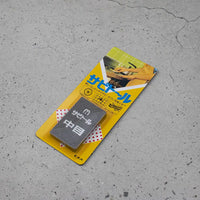
Shirogami #3, tüm Shirogami serisi içinde en kolay bilenen çeliktir. Yeni başlayanlar için idealdir.
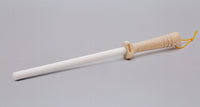
Kuru ve havadar bir ortamda saklayın.
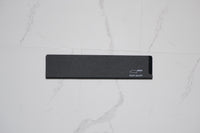
Karbon çelik paslanmaya karşı hassastır. Doğru bakım ile patina oluşumu doğaldır ve koruyucu bir tabaka sağlar.
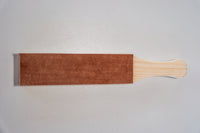
Japon bıçağını doğru kullanmak, doğru bıçağı seçmek kadar önemlidir. Bu teknikler Takohiki'nuzdan maksimum performans almanızı sağlar.
Bıçağı kemik boyunca yatırarak ince, kontrollü hareketlerle eti kemikten ayırın. Balık ve kümes hayvanı için temel teknik.
Et veya balık yüzeyine paralel çizikler atarak marine sıvısının içe nüfuz etmesini sağlayın. Pişirme sırasında eşit ısı dağılımı için de kullanılır.
Malzemeyi önce ince dilimlere, sonra kibrit çöpü boyutunda şeritlere kesin. Havuç, kabak ve salatalık garnişleri için profesyonel teknik.
Bıçağın bıçak-sap birleşim noktasını baş parmak ve işaret parmağınızla kavrayın. Diğer üç parmak sapı sarar. Maksimum kontrol ve hassasiyet sağlar.
Bıçağın keskin kenarını dikkatlice kullanarak ince kabukları soyun. Elma, armut ve patates için soyucu yerine bıçak kullanmak daha hassas sonuç verir.
Bıçağın ucunu tahtada sabit tutarak topuk kısmıyla ritmik yukarı-aşağı hareketle ince doğrayın. Maydanoz, dereotu ve sarımsak için ideal.
Bıçağın kavisli kenarını tahta üzerinde sallanarak kullanın. Otları ve yapraklı sebzeleri hızlıca doğramak için ideal.
Bıçağın yan yüzeyiyle sarımsak veya zencefili ezin. Kabuğu kolayca çıkar ve aromalar daha yoğun açığa çıkar.
Bıçağı ileri-geri hareketle kullanarak malzemeyi ince parçalara ayırın. Zencefil, muskat ve sert baharatlar için kullanışlı.
Bıçağın topuk kısmını sert malzemelerde kullanın. En fazla güç bu noktada uygulanır — kabak, havuç ve kök sebzeler için.
Fasulye ve benzeri sebzelerin kenarlarındaki sert lifleri bıçağın ucuyla çıkarın. Temiz ve profesyonel hazırlık için önemli bir detay.
Technical videos: Bare Cookware
Japanese steel craftsmanship, in your hands.
Hafta içi saat 14:00'e kadar verilen siparişler aynı gün kargoya teslim edilir. 14:00 sonrası verilen siparişler ise bir sonraki iş gününde kargolanır.
Hafta sonu ve resmi tatillerde verilen siparişler ilk iş gününde hazırlanarak kargoya teslim edilir.
Her bıçağı göndermeden önce son kez kontrol ediyor ve güvenli şekilde paketliyoruz. Bu nedenle yoğun dönemlerde kargoya çıkış süresinde kısa gecikmeler yaşanabilir.
2.500 TL ve üzeri siparişlerde kargo ücretsizdir. Bu tutarın altındaki siparişlerde sabit 120 TL kargo ücreti uygulanır.
Siparişleriniz anlaşmalı kargo firmamız aracılığıyla genellikle 1–2 iş günü içerisinde teslim edilir. Çoğu sipariş ertesi gün alıcısına ulaşır. Uzak bölgelerde teslimat süresi 1 iş günü kadar uzayabilir.
Ürünlerimizin büyük bölümü Japonya'daki küçük atölyelerde ve sınırlı adetlerde üretilmektedir. Bu nedenle her model her zaman stokta bulunmayabilir.
Bir ürün tükendiğinde yeniden tedarik süresi modele, üreticiye ve atölyenin üretim programına göre değişiklik gösterir. Bu nedenle kesin bir stok tarihi veremiyoruz. Ayrıca tükenen her modelin yeniden üretileceğini de garanti edemiyoruz. Bazı modeller dönemsel olarak üretilirken, bazıları ustanın üretimi bırakması veya emekli olması nedeniyle kalıcı olarak sona erebilir.
Son yıllarda el yapımı Japon bıçaklarına olan talep dünya genelinde hızla artarken, geleneksel yöntemlerle üretim yapan usta sayısı azalmaktadır. Üretim tamamen el emeğine dayandığı için bazı modeller uzun süre temin edilemeyebilir veya kalıcı olarak üretimden kalkabilir.
İlgilendiğiniz bir ürün stokta yoksa bizimle iletişime geçebilirsiniz. Mümkün olduğunda yeniden stok bilgisi paylaşır ve sizi öncelikli olarak bilgilendiririz.
Siparişiniz kargoya teslim edildiğinde takip numaranızı içeren bir e-posta gönderilir.
Ayrıca hesabınızdaki "Siparişlerim" bölümünden siparişinizin güncel durumunu takip edebilirsiniz. Herhangi bir sorun yaşamanız halinde bizimle iletişime geçmeniz yeterlidir.
Doğru bıçak; ne sıklıkla yemek yaptığınıza, hangi malzemeleri hazırladığınıza ve bakım için ne kadar zaman ayırmak istediğinize bağlıdır.
Çok amaçlı kullanım için Gyuto (şef bıçağı) veya Santoku, sebze ağırlıklı mutfaklar için ise Nakiri harika başlangıç seçenekleridir.
Kararsızsanız bıçak seçim testimizi kullanabilir veya bizimle iletişime geçebilirsiniz.
Çoğu kullanıcı için 210 mm Gyuto veya 165–180 mm Santoku en doğru başlangıç noktasıdır.
Paslanmaz çelik tercih ediyorsanız VG10 veya SG2 çelikli modeller, kullanım kolaylığı ve performans dengesi açısından en güvenli seçeneklerdir. Emin değilseniz kullanım alışkanlıklarınıza göre size uygun modeller önermekten memnuniyet duyarız.
Bunlar farklı çelik aileleridir ve her biri keskinlik, dayanıklılık ve bakım gereksinimi açısından farklı özellikler sunar.
Daha detaylı bilgi için çelik rehberlerimize göz atabilirsiniz.
Japon bıçaklarının önemli bir bölümü küçük atölyelerde, sınırlı adetlerde ve yoğun el işçiliğiyle üretilir.
Kullanılan çelikler daha yüksek sertlik değerlerine sahiptir ve üretim sürecinde çok daha fazla ustalık gerektirir. Sonuç olarak daha uzun süre keskin kalan, daha hassas kesim yapabilen ve yıllarca kullanılabilecek bıçaklar ortaya çıkar.
Fiyat farkının temel nedeni marka değil; kullanılan malzeme, işçilik ve üretim ölçeğidir.
Koleksiyonumuzdaki bıçakların büyük bölümü Japonya'da nesillerdir faaliyet gösteren atölyelerde üretilmektedir. Birçok modelde dövme, taşlama, sap montajı ve son bileme işlemleri ustalar tarafından el işçiliğiyle gerçekleştirilir.
Bu nedenle aynı model içerisinde küçük ölçü, yüzey veya görünüm farklılıkları görmek normaldir. Bunlar kusur değil, el işçiliğinin ve geleneksel üretimin doğal sonucudur.
Her ürün sayfasında üretim yöntemi ve üretici hakkında detaylı bilgi paylaşıyoruz.
HRC (Rockwell Sertlik Ölçeği), çeliğin sertliğini ölçmek için kullanılan bir değerdir.
Japon bıçakları genellikle 60–64 HRC aralığında olurken, birçok Batı tipi bıçak 56–58 HRC seviyesindedir.
Yüksek sertlik daha uzun süre keskin kalan bir ağız sağlar ancak çeliğin kırılganlığını da artırabilir. Bu nedenle sertlik tek başına kalite göstergesi değildir; kullanım amacına uygun olması daha önemlidir.
Paslanmaz çelikler (VG10, SG2 vb.)
Karbon çelikler (Aogami, Shirogami vb.)
Bakımla uğraşmak istemiyorsanız paslanmaz çelik tercih etmenizi öneririz. Bıçağınızla ilgilenmekten keyif alıyorsanız karbon çelik son derece tatmin edici bir seçim olabilir.
Hayır.
Yüksek sıcaklık, aşındırıcı deterjanlar ve diğer mutfak ekipmanlarıyla temas; bıçağın ağzına, sapına ve yüzeyine zarar verebilir.
Bıçağınızı kullandıktan sonra elde yıkayın, ardından hemen kurulayın. Bu basit alışkanlık bıçağınızın ömrünü önemli ölçüde uzatacaktır.
Karbon çelik bıçaklarda zamanla oluşan gri, mavi veya koyu tonlardaki renk değişimleri genellikle patina olarak adlandırılır. Bu, çeliğin gıdalar ve hava ile verdiği doğal tepkidir ve çoğu kullanıcı tarafından istenen bir özelliktir.
Turuncu veya kahverengi, pürüzlü lekeler ise pas oluşumuna işaret eder. Bu durum genellikle bıçağın nemli bırakılmasından kaynaklanır.
Kullanımdan sonra bıçağı yıkayıp hemen kurulamak, hem pas oluşumunu önler hem de bıçağın uzun yıllar sağlıklı kalmasını sağlar.
Ahşap veya tercihen end-grain (dik damarlı) ahşap kesme tahtaları kullanmanızı öneririz.
Cam, taş, mermer, seramik ve sert plastik yüzeyler bıçak ağzını hızla köreltebilir. Keskinliğin korunması için ahşap yüzeyler en güvenli seçenektir.
Bıçağınızı başka metal eşyalarla temas etmeyecek şekilde saklamalısınız.
Manyetik duvar şeritleri, bıçak blokları veya saya (kılıf) kullanımı idealdir. Çekmece içinde korumasız şekilde saklamak hem tehlikeli hem de bıçak ağzı için zararlıdır.
Özellikle karbon çelik bıçakları saklamadan önce tamamen kuru olduklarından emin olun.
Masatın uygun olup olmadığı, kullandığınız bıçağın çeliğine bağlıdır.
Geleneksel çelik masatlar; daha yumuşak çeliklerden üretilen Avrupa tipi bıçaklarda ve düşük sertlikteki bazı Japon bıçaklarında oldukça etkili olabilir. Bu tür çeliklerde ağız hizalamasını hızlıca geri kazandırarak keskinlik hissini artırır.
Ancak yüksek sertlikteki Japon bıçaklarında (özellikle 60+ HRC seviyesindeki VG10, SG2, Aogami ve Shirogami çeliklerinde) geleneksel çelik masatlar genellikle önerilmez. Bu bıçaklarda ağıza zarar verebilir veya mikro kırıklara neden olabilir.
Yüksek sertlikteki Japon bıçakları için seramik honlama çubuğu veya ince gritli bir su taşı çok daha güvenli ve etkili seçeneklerdir.
Unutulmaması gereken önemli nokta şudur: Masat bıçağı keskinleştirmez; yalnızca mevcut ağzın hizasını düzeltmeye yardımcı olur. Gerçek keskinlik ise bileme ile elde edilir.
Bu tamamen kullanım sıklığına bağlıdır.
Ev kullanımında çoğu bıçak için birkaç ayda bir bileme yeterlidir. Domates kabuğunu ezmeden kesememeye başladığında veya kesim performansında belirgin düşüş hissettiğinizde bileme zamanı gelmiş demektir.
Yeni başlayanlar için en iyi seçenek #1000 grit su taşıdır.
Bu taş hem düzenli bakım hem de keskinlik yenileme işlemleri için yeterlidir. Daha sonra ihtiyaç duyarsanız #400 grit ve #3000–6000 grit taşlarla setinizi genişletebilirsiniz.
Evet.
Satın aldığınız bıçaklar için profesyonel bileme hizmeti sunuyoruz. Hizmet detayları ve süreç hakkında bilgi almak için bizimle iletişime geçebilirsiniz.
Kullanılmamış ve orijinal ambalajındaki ürünleri teslim aldıktan sonraki 14 gün içerisinde iade veya değişim talebinde bulunabilirsiniz.
Hijyen ve güvenlik nedeniyle kullanılmış, kesim yapılmış veya yeniden bilenmiş bıçaklarda iade kabul edilemez. Üretim hatası tespit edilmesi durumunda gerekli inceleme yapılarak destek sağlanır.
Evet. Tüm ürünlerimiz üretim ve malzeme hatalarına karşı garanti kapsamındadır.
Garanti; üretim kaynaklı çatlaklar, sap montaj kusurları veya malzeme hatalarını kapsar. Kullanım kaynaklı hasarlar garanti kapsamında değildir.
Bir durumun garanti kapsamında olup olmadığından emin değilseniz, fotoğraflarla birlikte bizimle iletişime geçebilirsiniz.
Kredi kartı, banka kartı ve havale/EFT ile ödeme yapabilirsiniz.
Tüm ödemeler güvenli ödeme altyapıları üzerinden gerçekleştirilir ve kart bilgileriniz tarafımızda saklanmaz.
Evet.
Anlaşmalı bankaların kredi kartlarıyla taksitli ödeme seçeneklerinden yararlanabilirsiniz. Güncel taksit seçenekleri ödeme ekranında görüntülenir.
Evet.
Sattığımız tüm bıçaklar Japonya'daki ustalardan, atölyelerden ve yetkili distribütörlerden doğrudan tedarik edilmektedir.
Bu nedenle her ürünün üreticisini, çeliğini ve üretim yöntemini açıkça paylaşabiliyoruz. Satın aldığınız ürün, ürün sayfasında anlatılan bıçağın ta kendisidir.
Evet.
Sipariş sırasında hediye paketi seçeneğini işaretlemeniz yeterlidir.
Bir Japon bıçağı, doğru seçildiğinde yıllarca kullanılan ve hatırlanan özel bir hediyedir. Bu nedenle siparişlerinizi koruyucu ve şık bir şekilde paketliyor, hediye olarak gönderilecek ürünlere ekstra özen gösteriyoruz.
70 years of Japanese steel craftsmanship, in your hands. More than just a knife, it's the most valuable investment you'll make in your kitchen.
Haber ver