
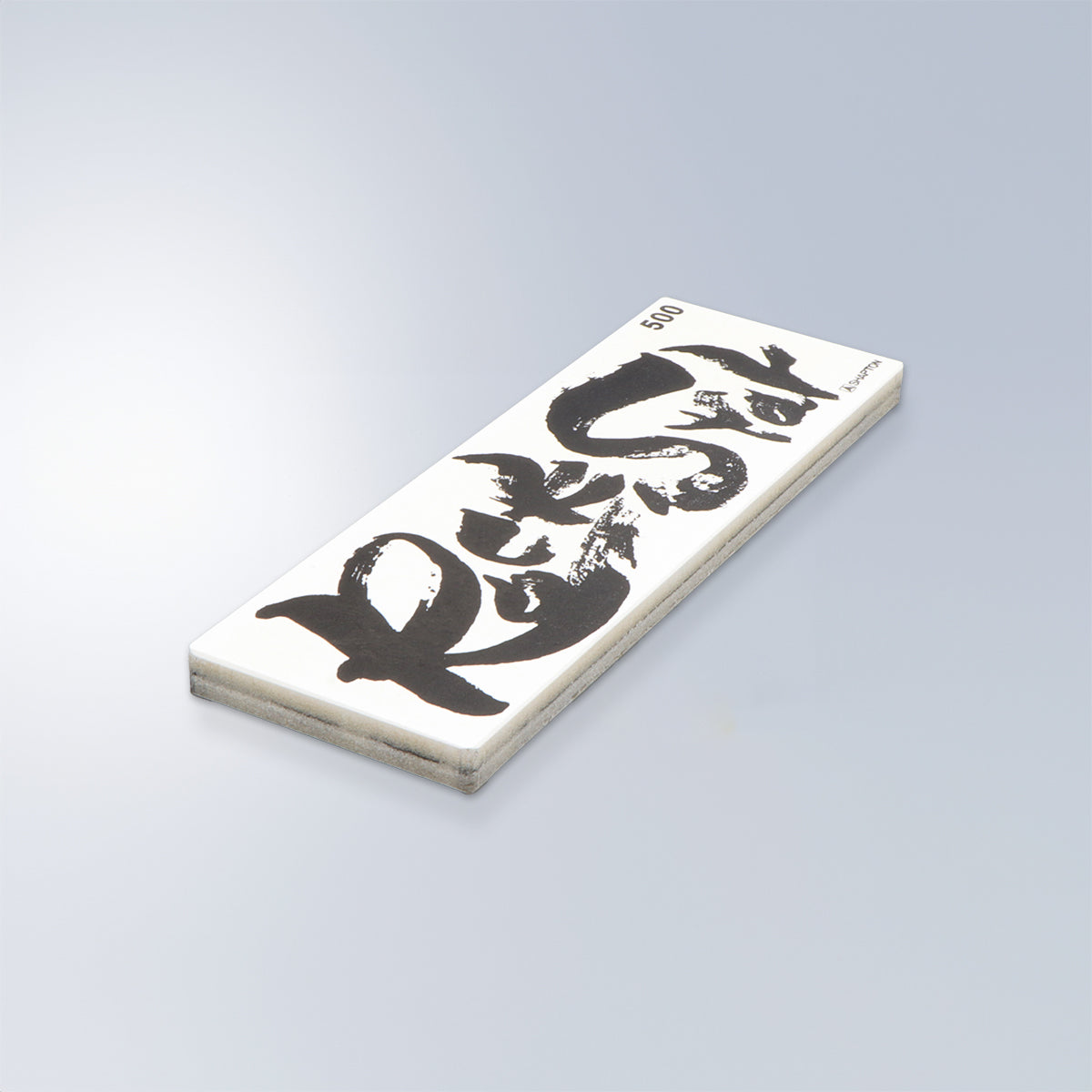
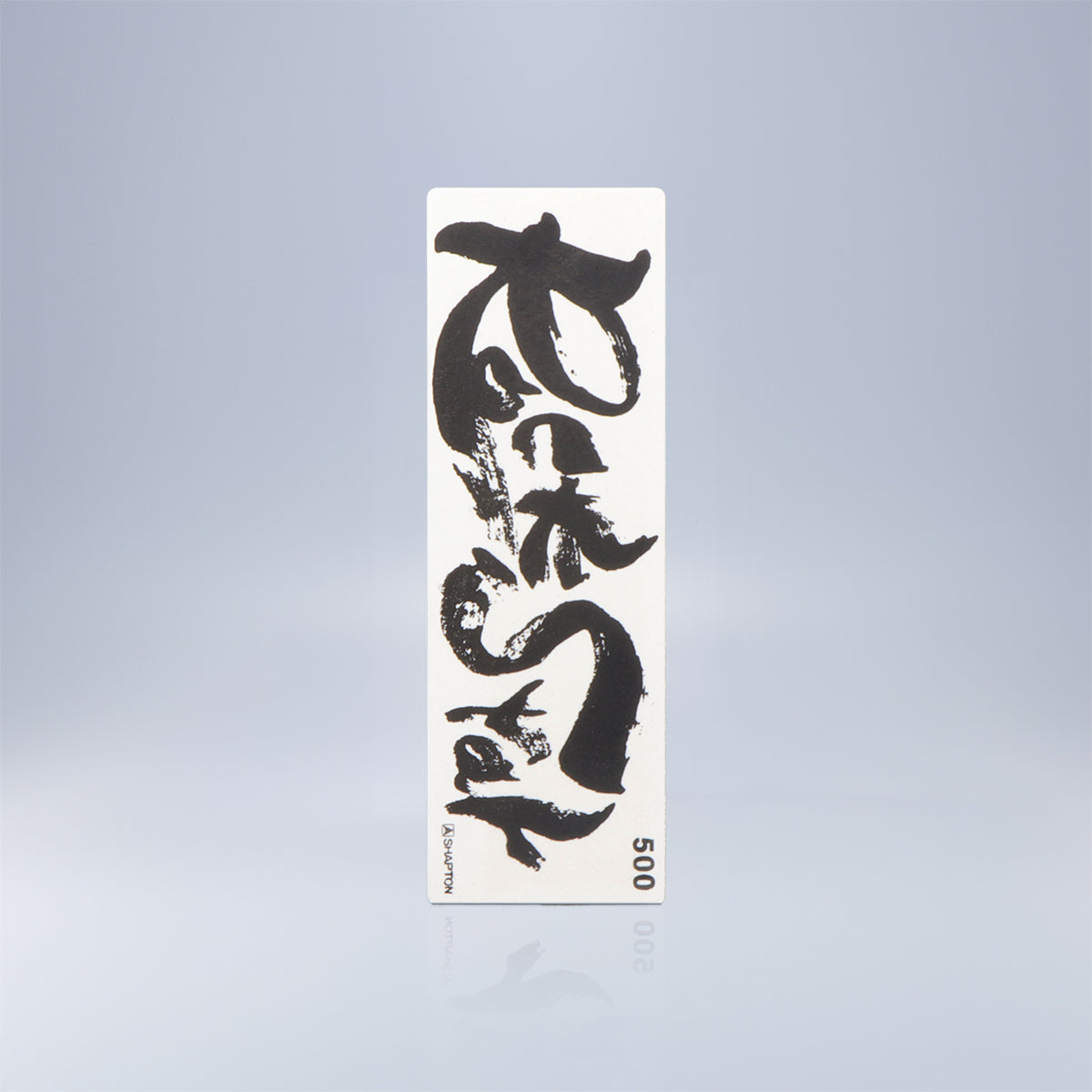
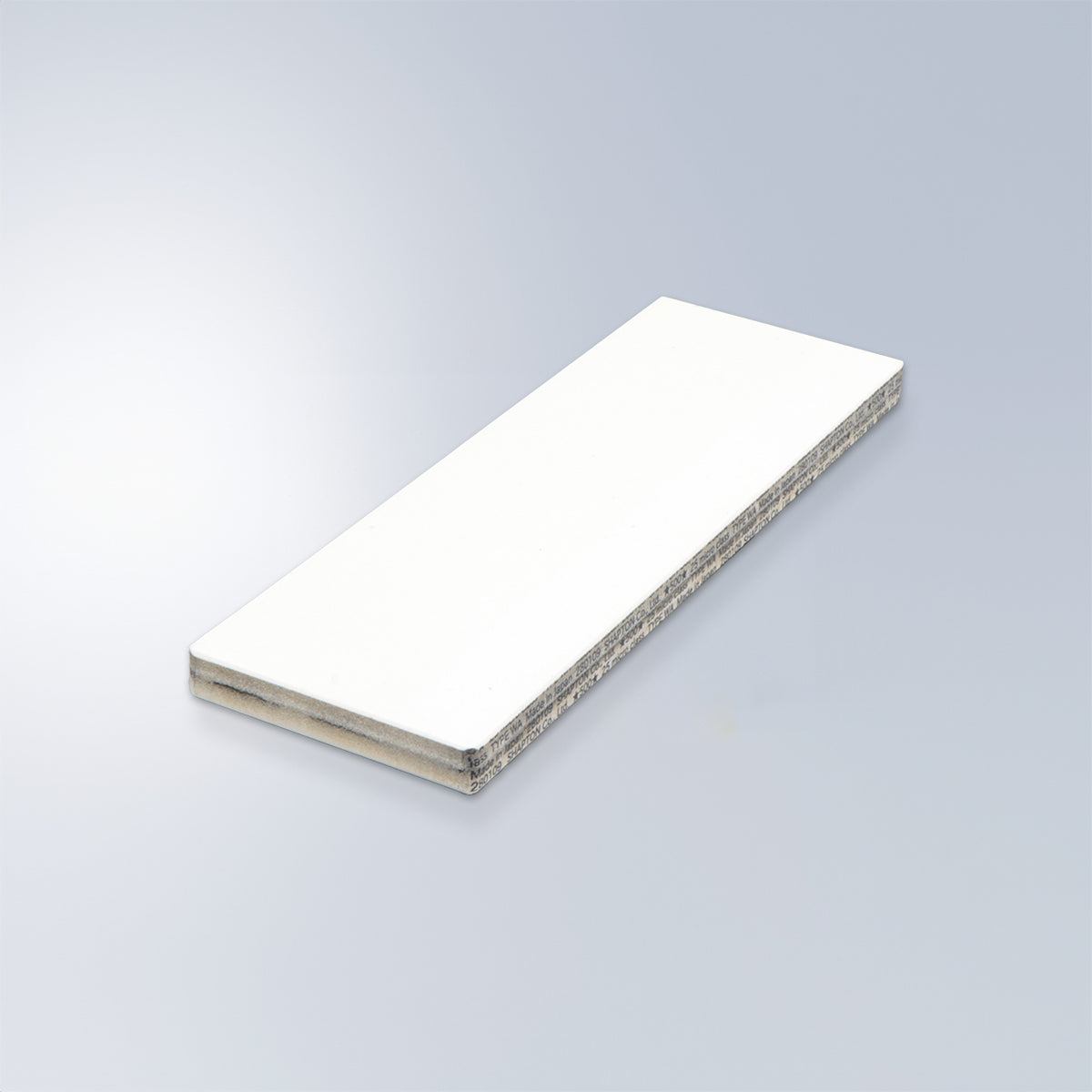


Shapton Rock Star Bileme Taşı - #500
Pairs well with
Delivery and Returns
Free Shipping: All orders are shipped free of charge via Yurtiçi Kargo or MNG Kargo.
30-Day Return Policy: You can return your order within 30 days of receiving it.
Refunds: Refunds for returned items will be processed and transferred to your bank within 3 business days. The refund amount will typically appear on credit cards within 1-3 business days, while this process may take longer for debit cards depending on your bank. Refunds for installment payments will be processed in installments due to bank procedures. You can track the refund process by contacting your bank.
Shapton Rock Star Bileme Taşı - #500
If you have any questions, you are always welcome to contact us. We'll get back to you as soon as possible, within 24 hours on weekdays.
-
Shipping Information
Use this text to answer questions in as much detail as possible for your customers.
-
Customer Support
Use this text to answer questions in as much detail as possible for your customers.
-
FAQ's
Use this text to answer questions in as much detail as possible for your customers.
-
Contact Us
Use this text to answer questions in as much detail as possible for your customers.
Shapton Rock Star #500, Shapton'ın Rock Star serisinin en kaba taşıdır. Kırık, aşırı aşınmış veya yanlış açıyla bilenmiş bıçakları yeniden hayata döndürmek için tasarlanan bu taş, agresif metal kaldırma kapasitesiyle bileme sürecinin "kurtarma" aşamasını üstlenir.
Rock Star Serisi Hakkında
Shapton Rock Star serisi, Kuromaku'nun kullanım kolaylığı felsefesini daha geniş bir grit aralığına taşıyan, dayanıklı ve uzun ömürlü bir seridir. Rock Star taşları; yoğun profesyonel kullanım, mutfak okulu ortamları ve bıçakçı atölyeleri için optimize edilmiştir. Reçine bağlayıcı yapısı aşındırıcı taneciklerini sabit tutar ve taşın düzgün aşınmasını sağlar. Ön ıslatma gerektirmez — bu özellik, yoğun iş ortamlarında kritik bir avantajdır.
#500 Grit: Kurtarma ve Yeniden Şekillendirme
#500 grit, bileme zincirinizin en güçlü halkasıdır. Bu taş şu durumlarda devreye girer:
- Bıçak kenarı kırık veya çentikli
- Açı yanlış bilenmiş ve sıfırlanması gerekiyor
- Bıçak kenarı aşırı yuvarlanmış (rollover)
- Yeni bir bıçağa farklı bir açı verilmek isteniyor
#500 sonrasında mutlaka #1000, #3000 ve üstü taşlarla devam edilmelidir. Bu taş tek başına yeterli keskinlik vermez — amacı kenarı düzeltmek, incelterek bilemek değil.
Teknik Özellikler
- Grit: #500
- Seri: Rock Star
- Bağlayıcı: Reçine (vitrified bond)
- Metal kaldırma hızı: Çok yüksek
- Taş aşınması: Orta — Rock Star düzensiz aşınmaya karşı dirençlidir
- Kullanım: Islak (birkaç damla su)
Kimler İçin Uygundur?
Bıçakçılar, mutfak ekipmanı tamircileri, yoğun kullanım sonrası bıçak bakımı yapan aşçılar ve ikinci el bıçak restorasyonuyla ilgilenen meraklılar için vazgeçilmez. Ev kullanıcıları için de bıçakların yıllık "büyük bakımı" sırasında bu taş son derece faydalıdır.
Kullanım İpuçları
- Bu taşta daha fazla baskı uygulayabilirsiniz — kaba grit bunu kaldırır
- Kenar düzelene kadar bir tarafta ilerleyin, ardından diğer tarafa geçin
- Düzenli aralıklarla taşın düzlüğünü kontrol edin — kaba taşlar daha çabuk çukurlaşır
- #500 sonrası #1000'e geçmeden önce kenardaki kaba çizikleri kontrol edin
Bakım ve Saklama
Kaba taşlar daha fazla metal tozu biriktirir. Kullanım sonrası taşı fırçayla temizleyin ve iyice durulayın. Düzeltme diskiyle düzenli olarak düzeltin — düzgün bir yüzey, tutarlı açı tutturmanın temelidir.
Items Purchased Together
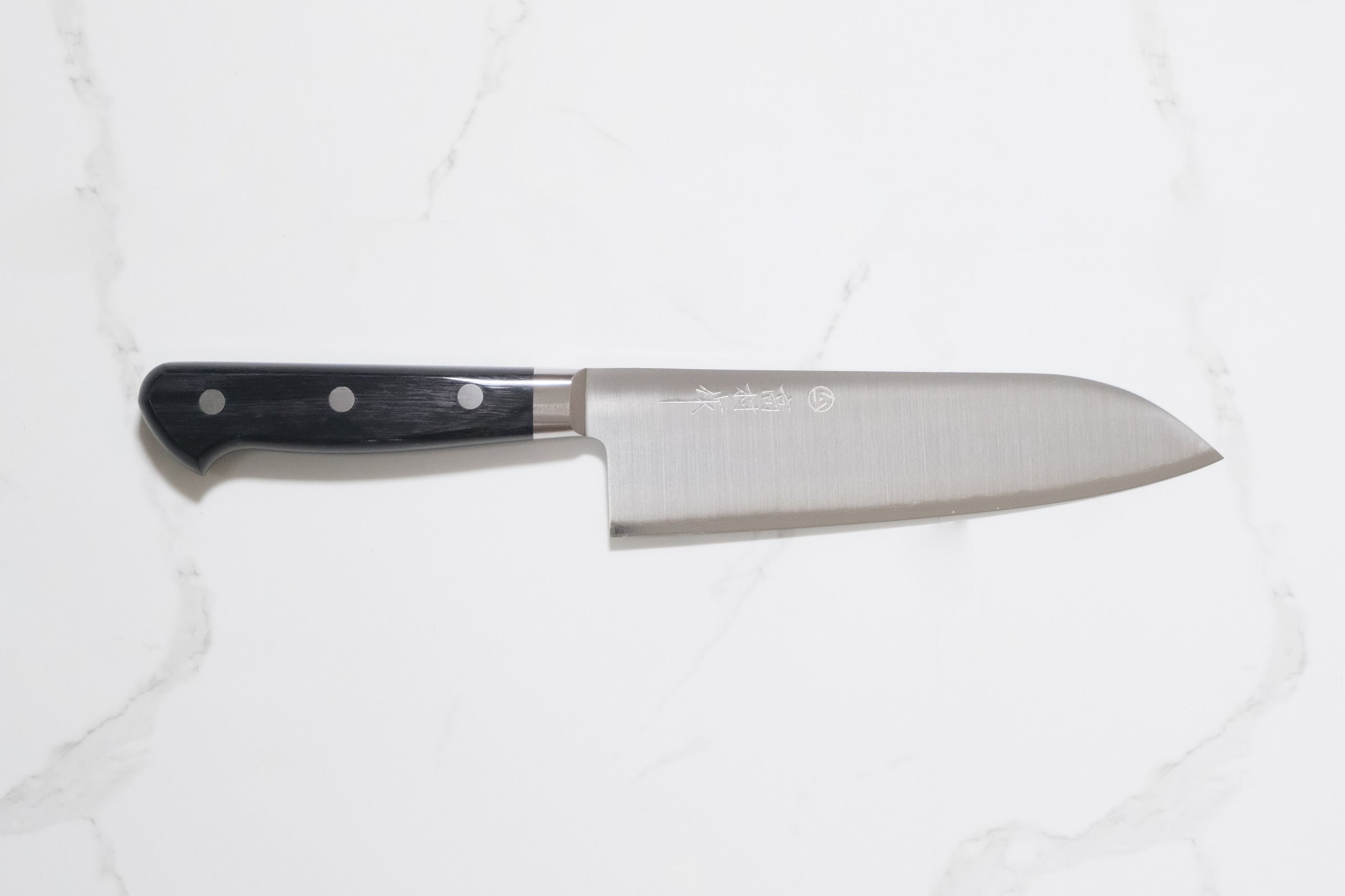


Takamura Hamono VG-10 Santoku - 170mm
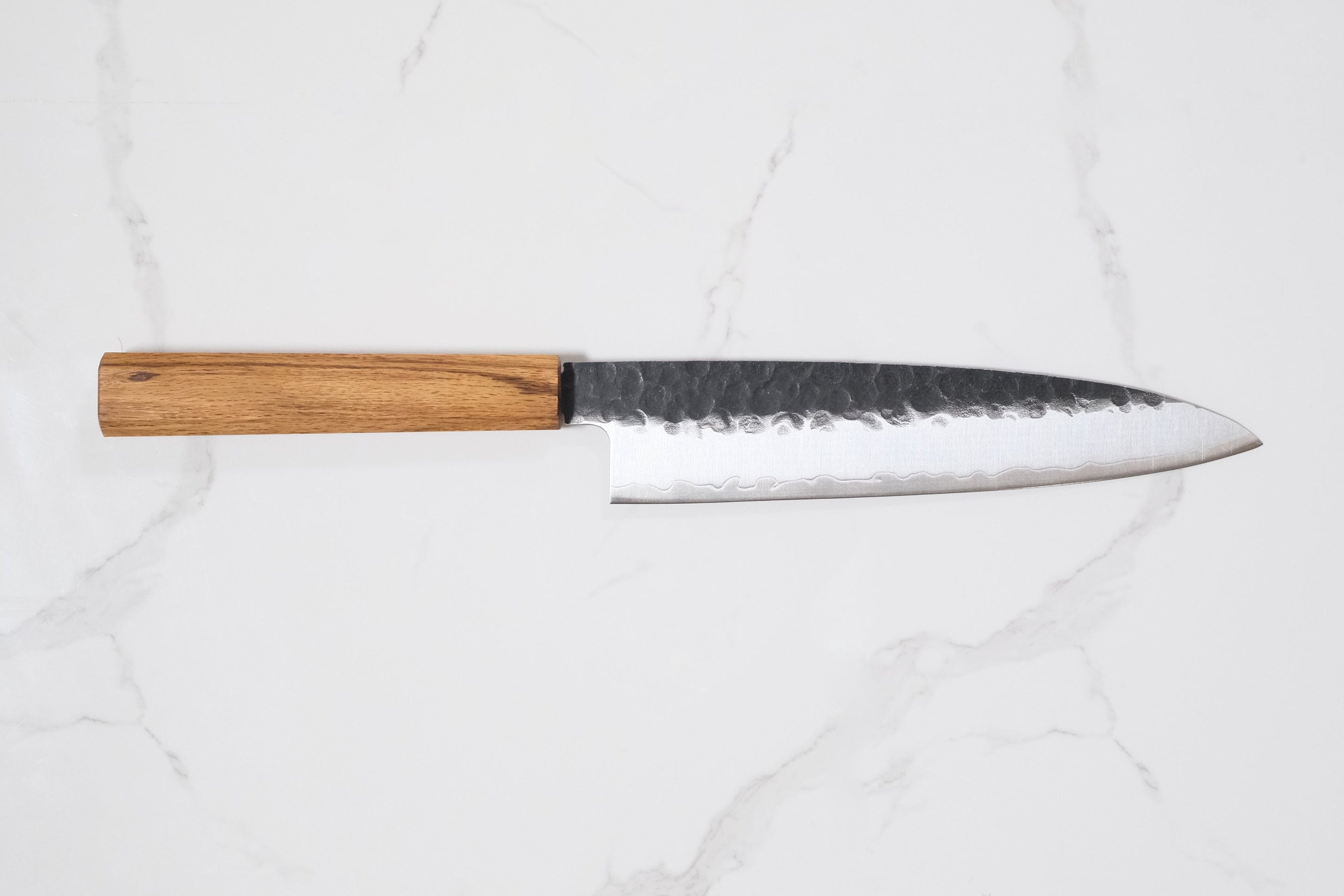


Molybdenum Gyuto - Tsuchime 210mm
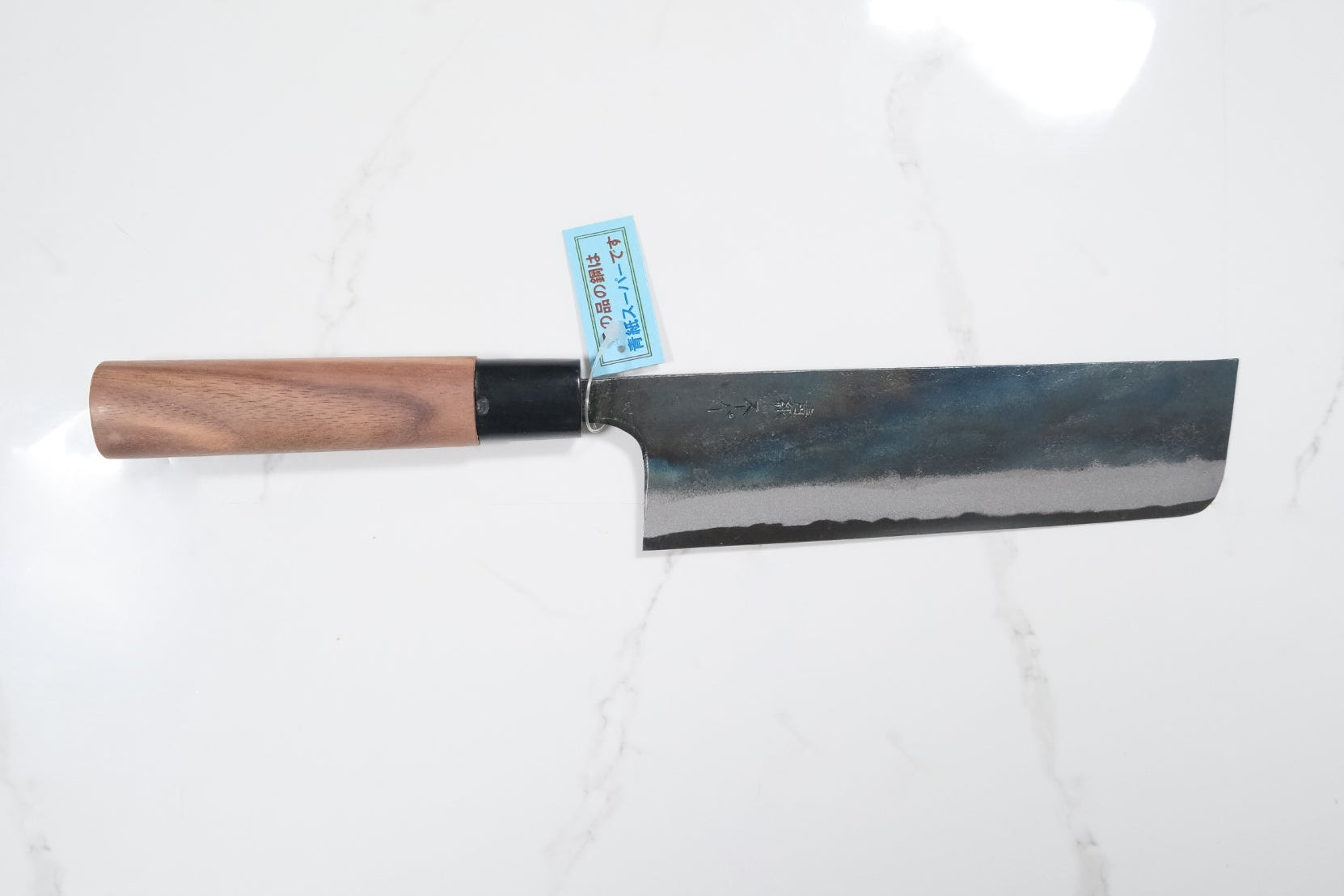


Zakuri Aogami Super Nakiri - Kurouchi 165mm
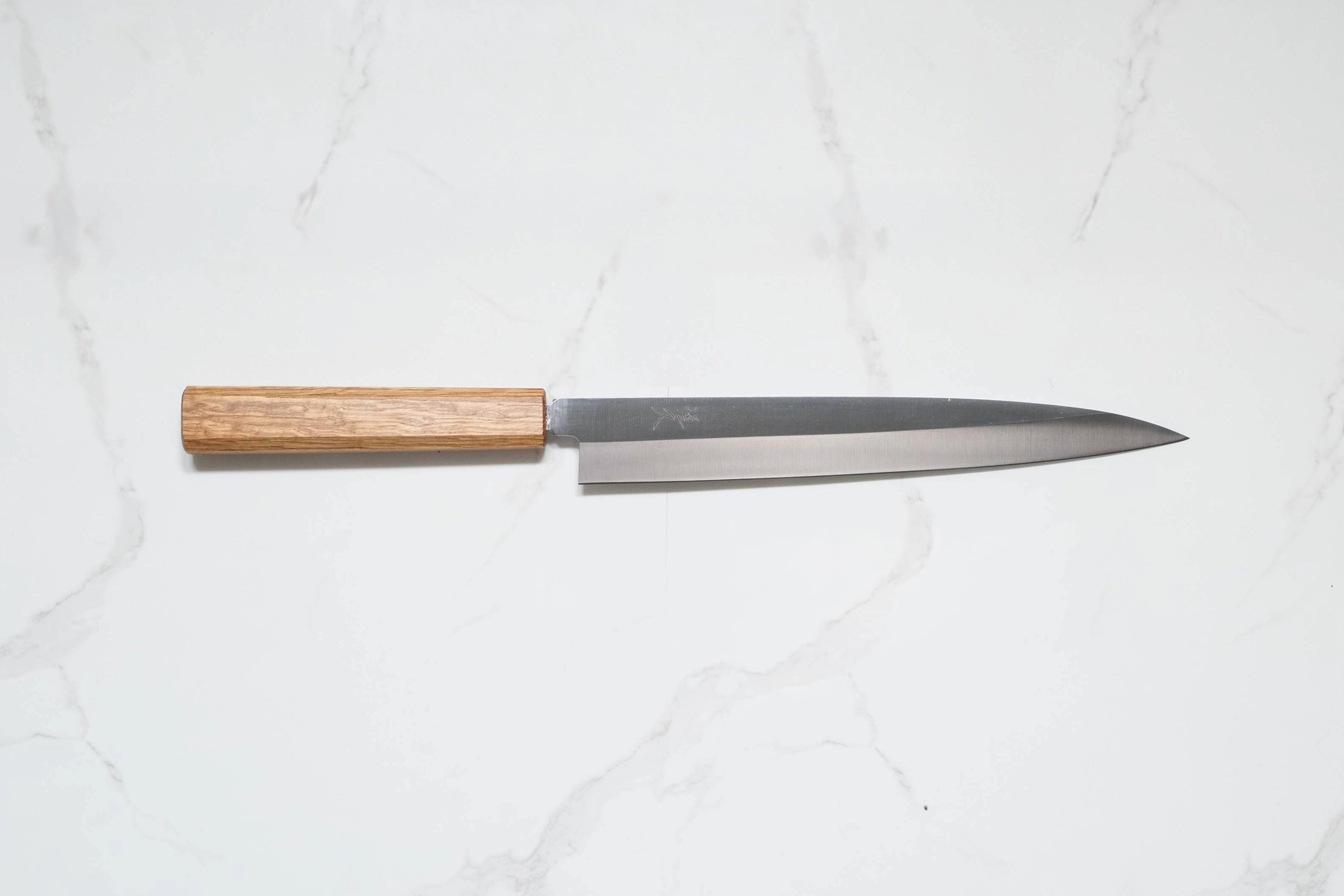

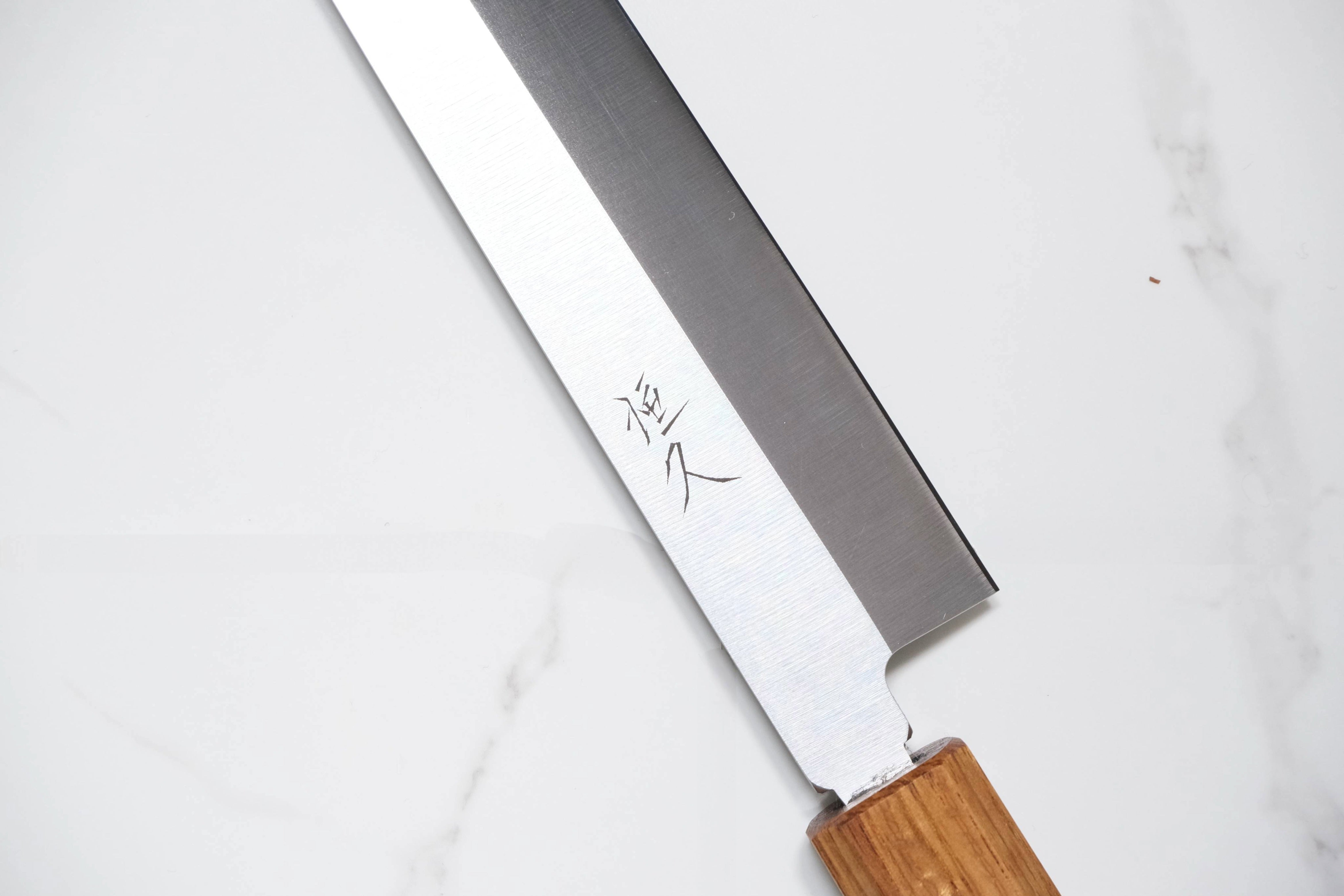
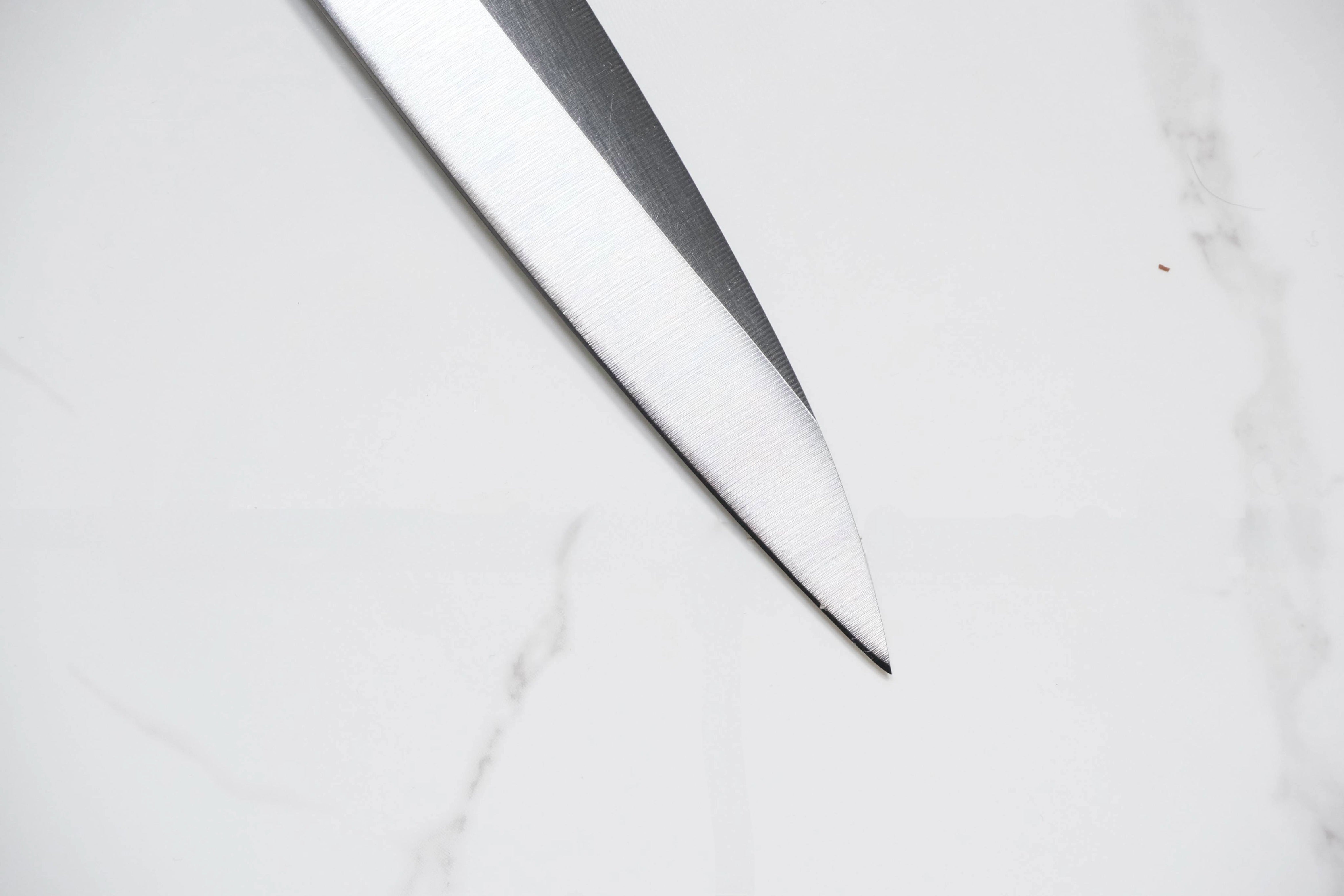
Tsunehisa AUS-8 Yanagiba - 240mm
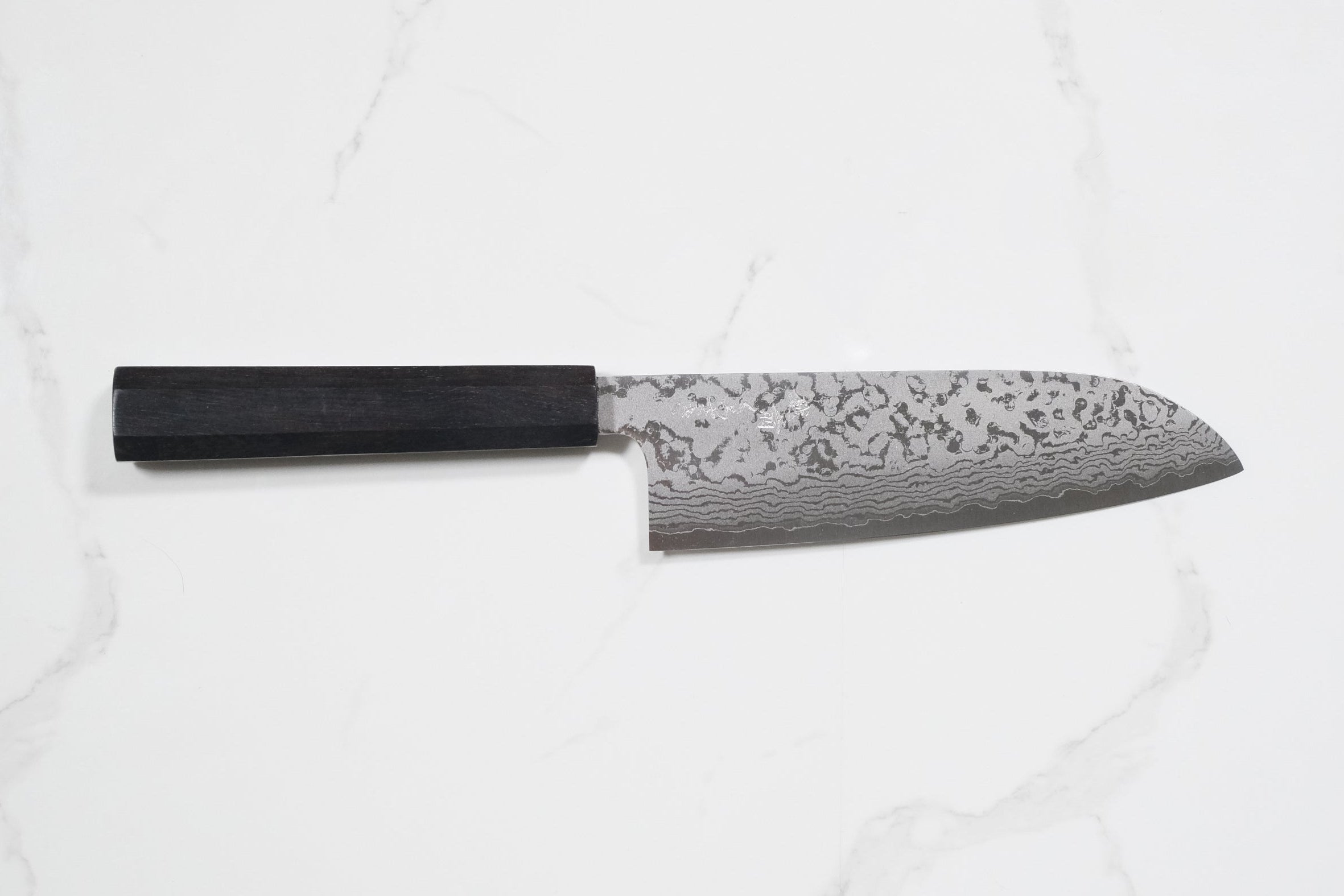


Makoto Kurosaki VG-7 Santoku - Damascus 165mm
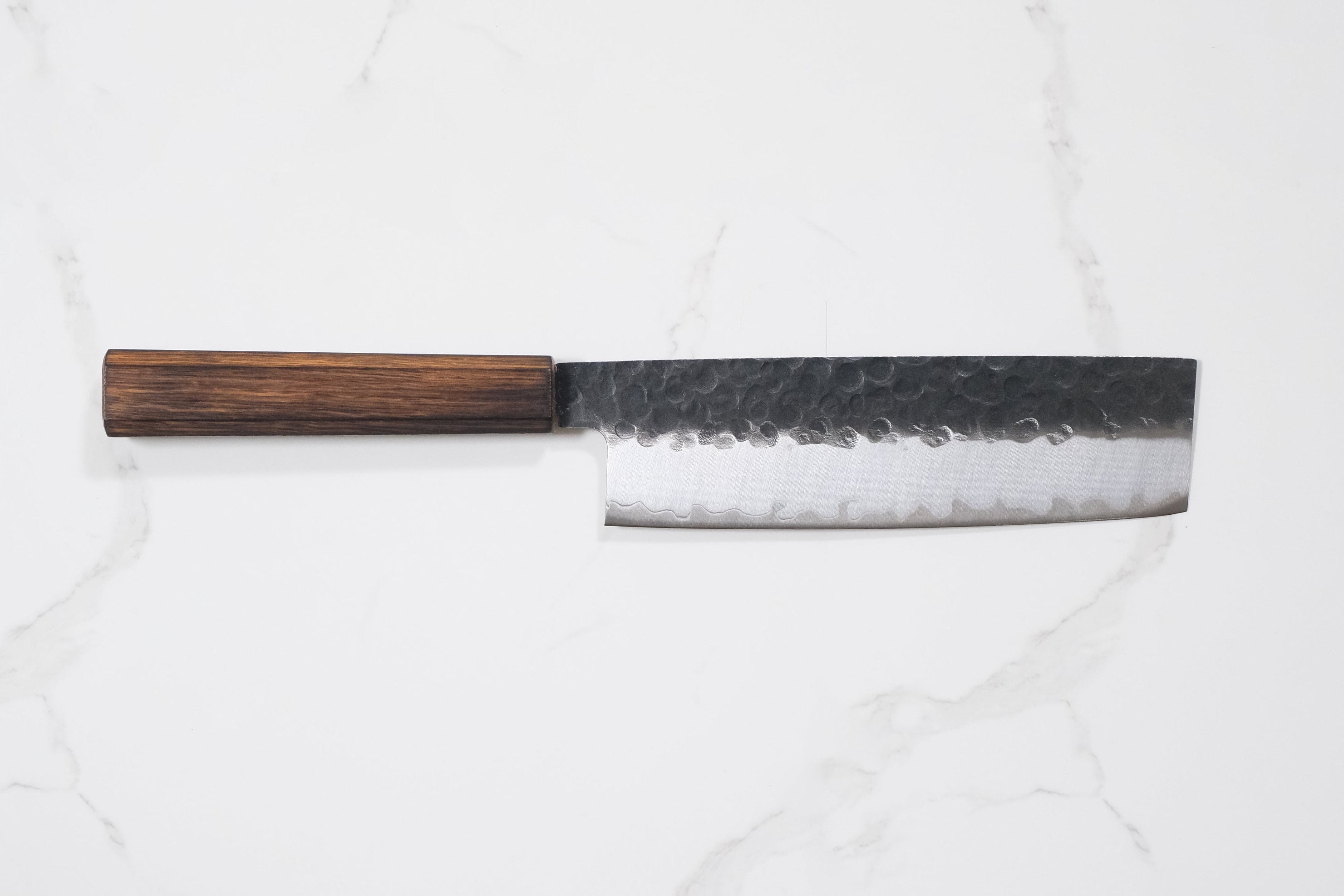


Molybdenum Nakiri - Tsuchime 180mm
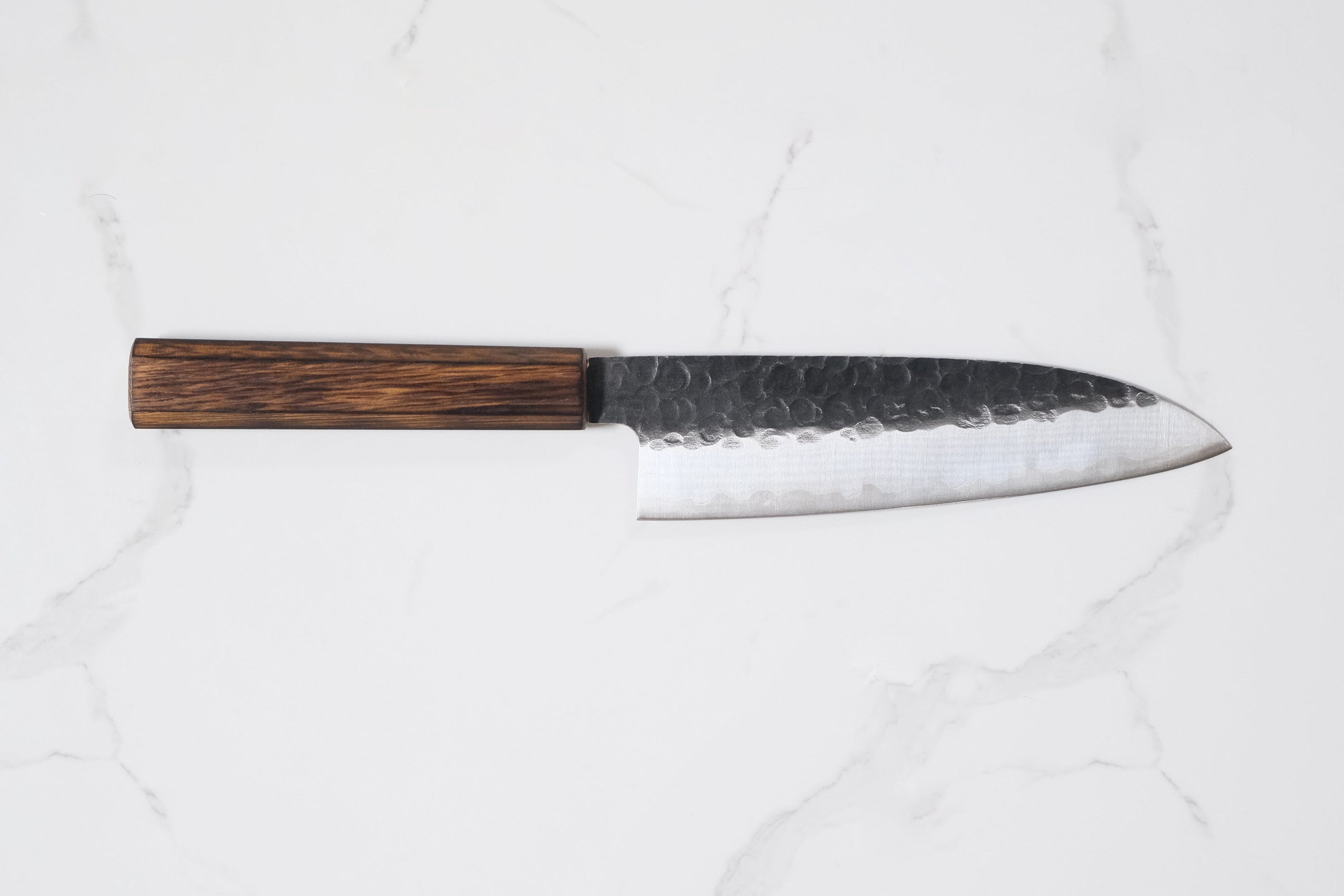


Molybdenum Santoku - Tsuchime 180mm
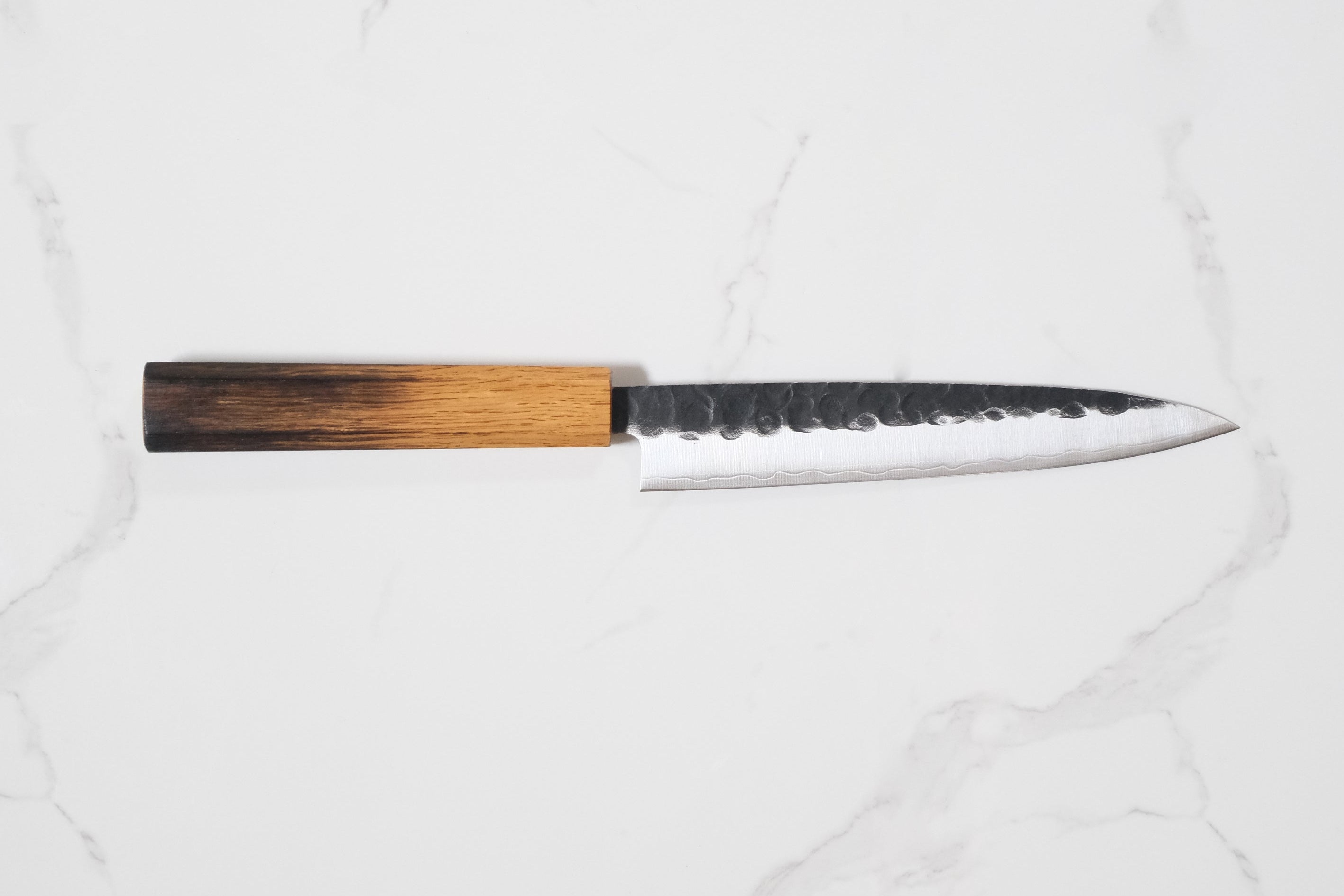


Molybdenum Petty - Tsuchime 150mm
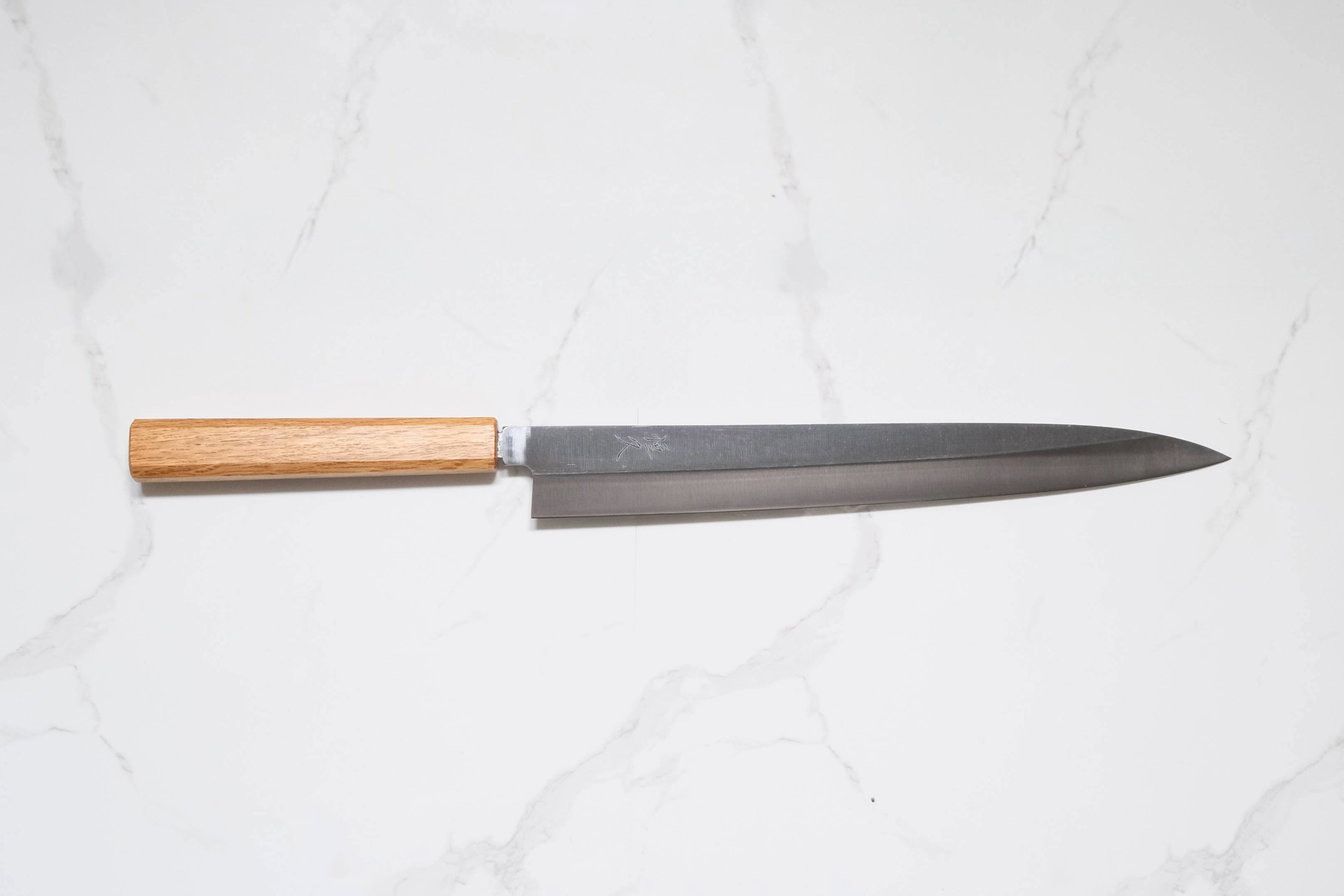

Tsunehisa AUS-8 Yanagiba - 300mm



Follow us
Follow us on Instagram to stay updated on our new products.
@iyibicak
FAQ
For more information, please visit our Frequently Asked Questions page.
Why are Japanese chef's knives so sharp?
The main reason Japanese knives are sharper is due to the angles of the blades and the steel technology used. High-carbon Japanese steels offer a harder structure and remain sharp for longer. These steels generally reach hardness levels above 60 HRC and are sharpened at narrow angles such as 15°. However, since brittleness can increase with hardness, proper use and regular maintenance are important.
How should I maintain carbon steel blades?
Knives made from carbon steel are susceptible to rust. Therefore:
- It should be thoroughly dried after each use.
- It should be regularly lubricated with a thin layer of maintenance oil.
- It is not recommended to wash any chef's knife in the dishwasher.
With proper care, your knives will maintain both their performance and their aesthetic appearance for a long time.
Which knife should I choose?
Choosing the right knife for your kitchen depends on your cooking habits and cutting style. The right knife can make your cutting experience more efficient and enjoyable. But don't worry if you're unsure which knife is right for you!
Take our short quiz to find the perfect knife for you and discover the chef's knife that best suits your needs.
Start the test
What is the difference between quality knives and mass-produced knives? How can I tell the difference between quality and quality?
It's not accurate to classify the quality of a knife solely by whether it's "handmade or mass-produced." High-quality models can be found among both handcrafted and mass-produced knives.
The key factors here are:
- The quality of the steel used.
- Workmanship level
- Attention to design details
Mass-produced knives are manufactured quickly and in large quantities using modern machinery. Their affordability and advantages such as stainless steel make them attractive for everyday use. However, not all mass-produced knives are created equal; some brands produce to high standards, while others focus solely on aesthetics.
High-quality knives , whether handmade or machine-made, should meet the following criteria:
- Use of high carbon or special alloy steel
- Ideal edge angle and homogeneous sharpening in terms of precision.
- Well-balanced handle and ergonomic grip.
- Precision in workmanship and robust construction.
Models produced using traditional methods, such as Japanese knives, stand out particularly for their sharpness, precision, and aesthetics. However, they may require special care.
In conclusion, the key to understanding a quality knife lies less in its production method and more in evaluating the expertise, material selection, and craftsmanship behind the product.
Every knife featured on iyibicak.com is meticulously selected according to these standards.
From which countries do you sell knives?
We offer knives from many countries renowned for their craftsmanship, primarily Türkiye and Japan. Our aim is to bring the best production traditions and knife-making skills from each culture into kitchens.
What is the difference between European steels and Japanese steels?
Japanese steels (e.g., VG-10, SG2, Aogami) are exceptionally hard due to their high carbon content. This hardness allows for sharpening blades with finer edges and provides razor-sharp performance. They typically have hardness ratings of 60 HRC and above and can remain sharp for a long time. However, this high hardness can also lead to a more brittle structure. Therefore, they require careful handling and regular maintenance.
European steels (e.g., German X50CrMoV15 or French T12) have a softer and more flexible structure. They generally have a hardness range of 56–58 HRC. This makes them more impact-resistant, easier to sharpen, and more comfortable for everyday use. They also have a high corrosion resistance.
In conclusion :
Japanese steel is ideal for those seeking sharpness and performance.
European steel is more suitable for users who prioritize durability and ease of maintenance.
We recommend you make your choice based on your frequency of use and expectations.
What are the return conditions?
At İyi Bıçak, we prioritize customer satisfaction. If for any reason you are not satisfied with your purchase, you can return it within 14 days , provided it is unused and in its original packaging. After creating your return request, you must securely package the knife and send it to us. Once we receive the product, we will conduct the necessary checks, approve your return, and refund your payment to your account shortly.
To prevent product damage and maintain hygiene standards, sharpened knives are not eligible for return . In case of a manufacturing defect or damage during shipping, we can repair or replace your knife and send it back to you. If you have any questions about the return process, please feel free to contact us.
Information

Aogami Çelik Serisi Nedir? Aogami #2, #1 ve Super Arasındaki Farklar
How to Store Carbon Blades: The Secret to Perfect Sharpness and Long-Lasting Use
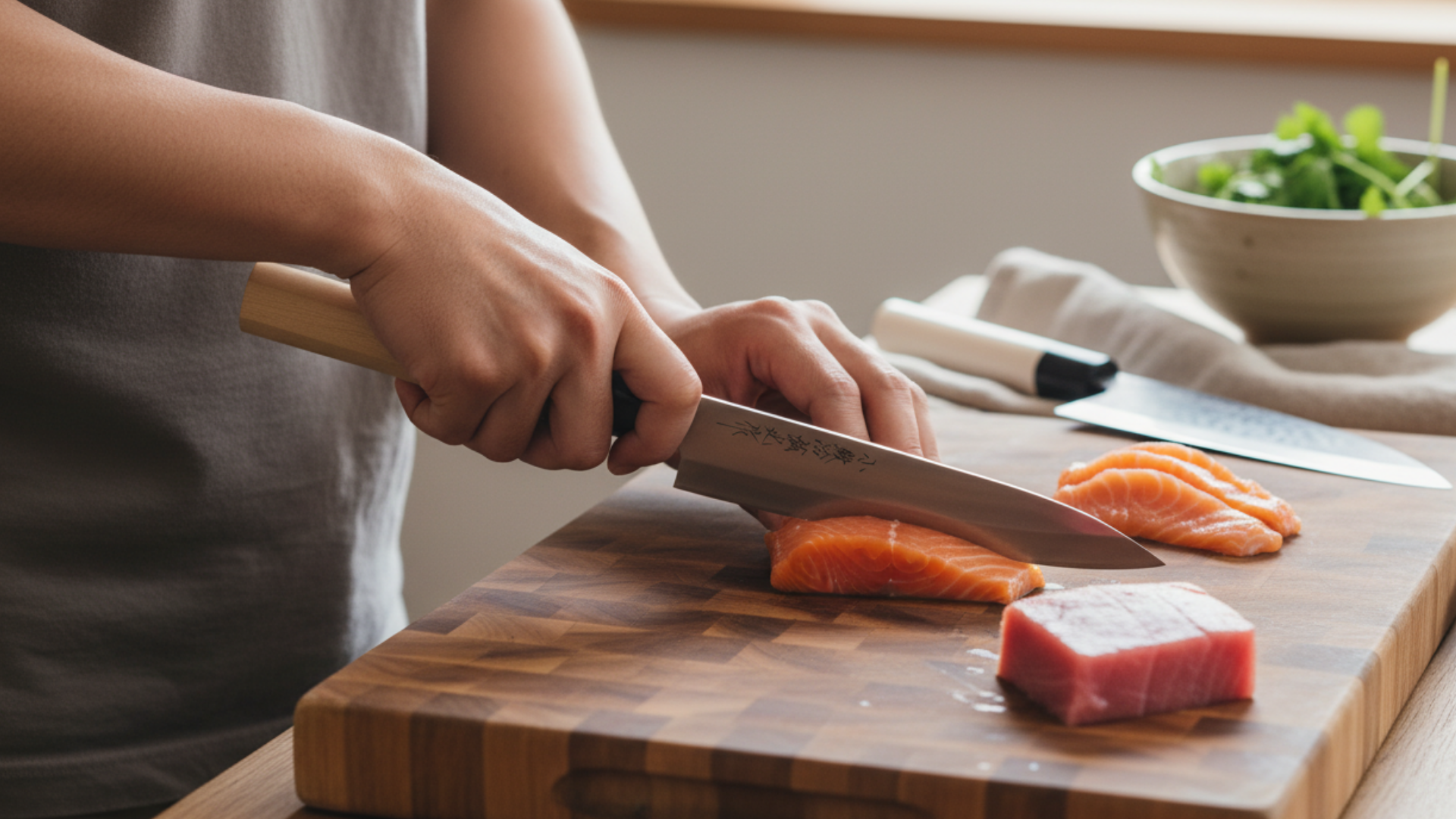
Japanese Fishing Knives: A Guide to Usuba, Yanagiba, and Deba Knives