For seafood lovers, freshness and flavor are everything. But fresh fish doesn't always mean the tastiest. That's where a special method the Japanese have been using for centuries comes in: Ikejime .
So, what is ikejime and why is it so special? Ikejime is a traditional Japanese method of killing fish in the fastest and most humane way possible, without damaging its nervous system. Not only does it keep the fish fresh longer, but it also significantly improves the flavor and texture of the meat .
How to administer Ikejime?
The process basically consists of three steps:
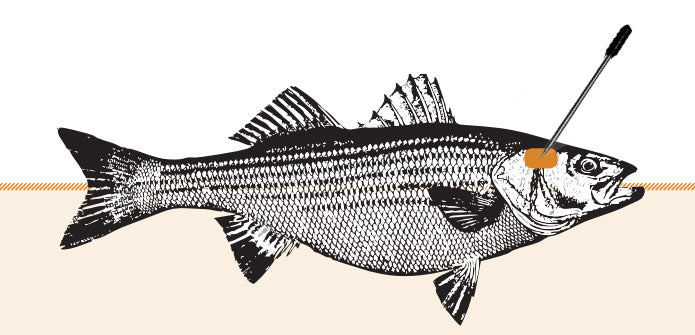
- Rapid Brain Death: The fish's brain is deactivated in seconds using a special stick or knife. This ensures the fish dies painlessly.
- Bleeding: All the blood is completely removed from the fish's body. This is a critical step both for hygiene and to slow down the spoilage of the meat.
- Destruction of the Nerve Line: The nerve line, parallel to the fish's spine, is destroyed using a special wire. This prevents post-mortem muscle contractions and reduces lactic acid formation , thus preserving the quality of the meat.
The Scientific Link Between Ikejime and Flavor
After fish die, lactic acid begins to accumulate in their muscle tissue. This leads to the meat becoming tough and losing its flavor. Thanks to the ikejime process:
- Lactic acid levels are kept to a minimum.
- Muscle hardening is delayed , which allows the meat to remain softer and silkier in texture.
- Adenosine triphosphate (ATP) breakdown occurs in a balanced manner , which enhances the flavor known as "umami," or the fifth taste.
Furthermore, rapidly stopping blood circulation prevents oxidation and unpleasant odors in the fish. This results in both a cleaner taste and a longer shelf life .
The Difference in Taste of Fish Treated with Ikejime
Fish processed with ikejime have the following advantages over fish caught using traditional methods:
- For a more intense flavor,
- For a clearer and cleaner taste,
- It has a texture suitable for a longer maturation period (dry aging).
This technique is indispensable, especially in sashimi , sushi , or fine dining cuisines. Whether consumed raw or cooked, ikejime preserves the naturalness of the fish and brings out its flavor.
Which fish are preferred with Ikejime?
The ikejime method is particularly suitable for medium and large-sized fish . It offers a significant advantage for fish with firm flesh that can have a noticeable difference in flavor when consumed fresh. Many fish species suitable for the ikejime technique are found in Turkey. These include:
- Sea bass
- Sea bream
- Bluefish
- Bonito
- Torik
- Shield
- Tuna
- Red mullet
- Coral
These fish, after a properly applied ikejime process, not only stay fresh longer but also offer a much richer flavor profile. The difference made by ikejime is especially noticeable in dishes where they are consumed raw or served with light cooking techniques.
The Contribution of the Ikejime Method to Sustainability
Ikejime is a valuable method not only for its flavor but also in terms of ethical fishing and sustainable fisheries . It prevents unnecessary suffering of the fish, delays spoilage, and reduces waste.
Conclusion: Where Flavor Meets Science
Ikejime is much more than just a technique for keeping fish fresh. This method is indispensable knowledge for anyone who wants to maximize the quality and flavor of seafood . If you're into fish, discovering ikejime could be a turning point in your culinary journey.