
Japanese chef's knives are highly regarded by world-renowned culinary professionals and food enthusiasts. So, what makes Japanese knives so special? In this article, we explore the quality of Japanese knives in every aspect, from the unique properties of Japanese steel and traditional forging techniques to the superior performance they offer in the kitchen.

The History and Craftsmanship Tradition of Japanese Knives
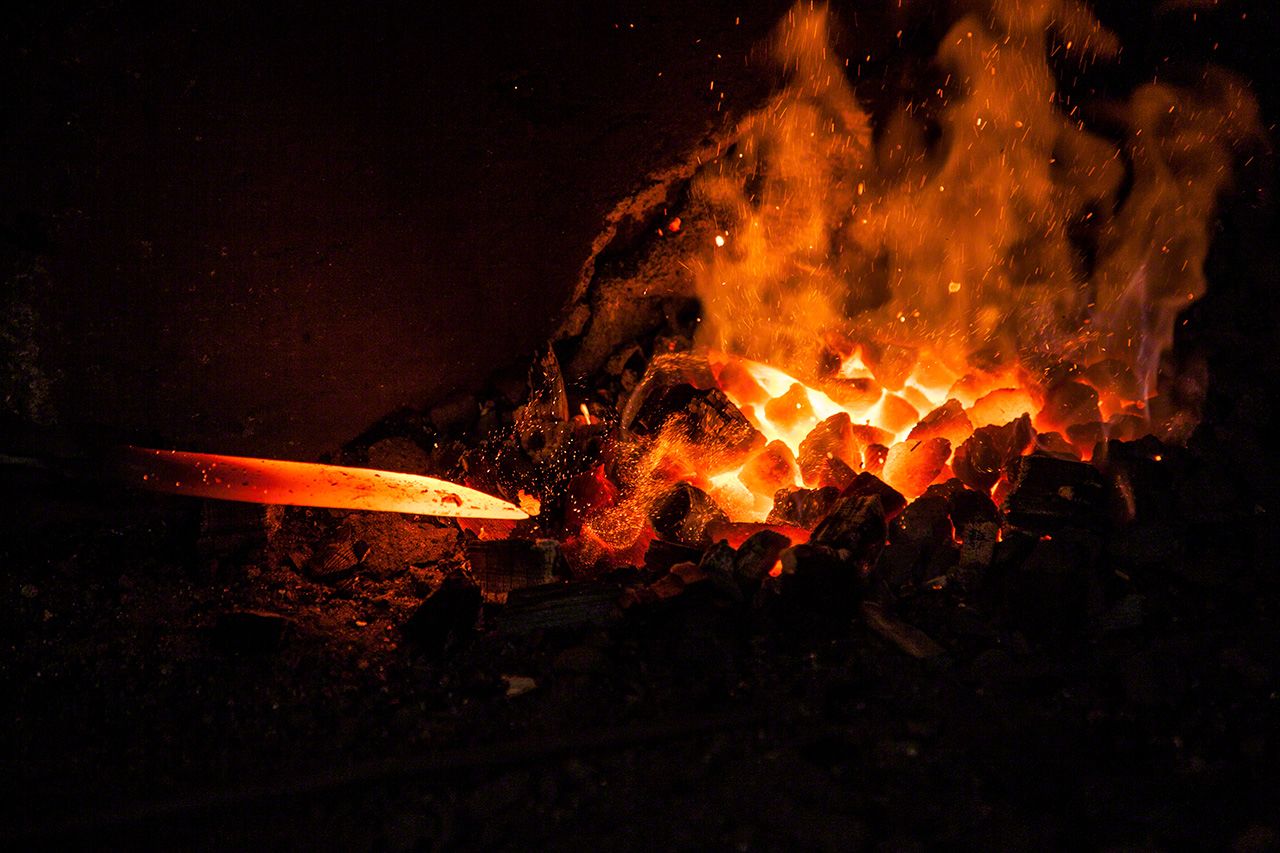
Japan's mastery of knife making dates back to the time when samurai swords (katanas) were forged. This millennia-old art of ironworking has been passed down through generations by Japanese knife makers. Today, kitchen knives are produced with the same care and are known for their exceptional sharpness and durability.
Japanese knives stand out not only for their sharpness but also for their precision. When a Japanese knife maker forges a blade, they don't just shape the steel; they also imbue it with soul. This meticulous craftsmanship ensures that every Japanese knife is unique.
The Secret of Japanese Steel: Durability and Sharpness
The steel used in Japanese knives is considered one of the highest quality steels in the world. Specifically, steel types like ZDP-189 , VG-10 , and Aogami (Blue Steel) ensure the knives are long-lasting and retain their excellent sharpness.
ZDP-189 Steel: Manufactured by Hitachi Metals, this high-carbon steel enables the production of knives that retain their sharpness for a long time thanks to its exceptional hardness.
VG-10 Steel: Stainless and high carbon content, it combines durability and sharpness in the kitchen.
Aogami (Blue Steel): This type of steel, preferred by traditional Japanese knife makers, offers exceptional sharpness but requires special care.
The Superior Sharpness of Japanese Knives
Japanese knives are sharpened at a finer and more precise angle compared to Western knives. Most Japanese knives are sharpened at a 15-degree angle, while Western knives typically have an angle of 20-25 degrees . This results in Japanese knives being much sharper.
A sharp knife not only increases efficiency in the kitchen but also preserves the texture of food. For sushi chefs in particular, knife sharpness is vital. A sharp knife cuts through the cell walls of ingredients with minimal damage, thus preserving the freshness and flavor of the food.
Traditional Tattoo Techniques
Japanese knives are shaped using special forging techniques. The best known of these are the San-Mai and Honyaki methods:
San-Mai Technique: A hard steel core is covered with layers of softer steel or iron, giving the blade both sharpness and flexibility.
Honyaki Technique: Like traditional katanas, these knives are made from a single piece of steel, offering superior sharpness and durability, but are less common due to the skillful handling required.
What to Consider When Choosing a Japanese Knife?
When choosing a Japanese kitchen knife, the following factors should be considered:
Steel Type: A decision must be made whether to use stainless steel or carbon steel.
Knife Purpose: It's important to choose the right knife for your needs from different types of knives, such as Santoku, Gyuto, and Nakiri.
Handle Material: A comfortable handle should be chosen from options such as wood, resin, or traditional ho wood.
Conclusion: The Unique Experience of Japanese Knives
Japanese chef's knives are revolutionizing the kitchen with their superior steel quality, traditional forging techniques, and exceptional sharpness. If you want to experience professionalism in the kitchen and transform cutting into an art, owning a Japanese knife will be one of the best investments you can make.
Discover the best Japanese knives to take your culinary experience to the next level!